


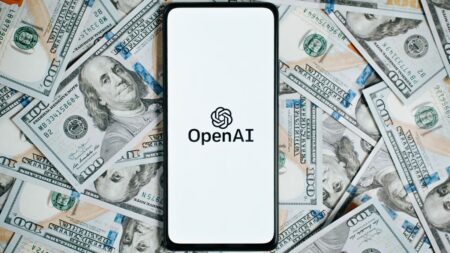
OpenAI has launched a global partner network backed by a $150 million fund, signaling a major commitment to enterprise AI adoption through ecosystem-driven customer transformation, workflow redesign, systems integration, and change management.
OpenAI has launched a global partner network backed by a $150 million fund, signaling a major commitment to enterprise AI adoption through ecosystem-driven customer transformation, workflow redesign, systems integration, and change management.
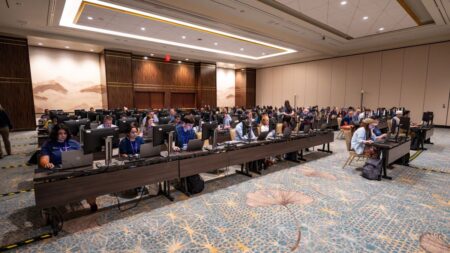
At Workday DevCon in Las Vegas, Workday introduced major developer platform innovations, including Developer Agent and an agent-ready version of Workday Build, designed to accelerate AI-powered application development while maintaining enterprise-grade security and governance.

For 40 years, Larry Ellison used Oracle earnings calls to forecast industry trends, challenge competitors, and champion innovation. His apparent withdrawal from that platform marks the end of one of technology’s most influential public forums.

ServiceNow CEO Bill McDermott says the company is now AI-native and targeting five high-growth markets worth more than $600 billion, backed by strong momentum in AI, security, CRM, employee experience, and data management.
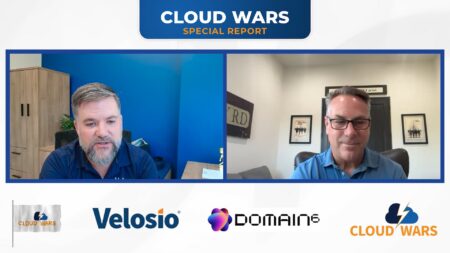
An exploration of why future agility, rather than future-proofing, is becoming the defining characteristic of successful digital businesses.
Workday’s strong Q1 performance highlights CEO Aneel Bhusri’s push to transform the company into an AI-native enterprise focused on agentic AI innovation, lawful governance, and accelerated product development to compete with SAP, Oracle, and Microsoft.

SAP and Palantir are helping redefine enterprise technology, as Christian Klein and Alex Karp both argue that AI-driven execution has moved their companies beyond the traditional definition of software vendors.

Enterprise AI success depends not just on innovation speed, but on governance, interoperability, migration readiness, and organizational change.

SAP is positioning industry-specific AI as a stronger differentiator than generic horizontal enterprise AI tools.

CEO Christian Klein has been aggressively forging a new SAP via acquisitions in the data field, a shift to consumption pricing, and AI-centered partnerships.

Google Cloud’s explosive AI-driven growth is reshaping cloud momentum, challenging AWS’s long-held leadership despite its larger market scale.

Enterprise leaders should focus less on automation savings and more on how agentic AI accelerates growth and customer value.

Google Cloud doubles down on the agentic AI race with a $750M ecosystem investment designed to accelerate partner innovation, enterprise adoption, and competitive momentum against Microsoft and AWS.

SAP’s surging cloud growth and backlog expose the widening gap between AI-doom narratives and the strong reality of enterprise applications in the agentic AI era.

Oracle EVP Steve Miranda shares the company’s agentic AI vision, introducing its first Agentic Applications and explaining how AI agents are reshaping enterprise workflows.
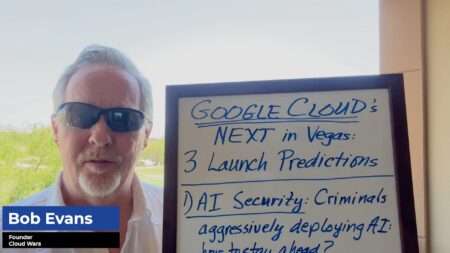
Google Cloud heads into Next with momentum, expected to unveil major advances in AI security, sovereignty, and Gemini Enterprise to strengthen its leadership in the rapidly evolving AI Economy.

AWS launched its Interconnect-multicloud service years after Oracle pioneered the concept, highlighting a shift in cloud leadership. Oracle’s partnerships and strategy have reshaped the market, leaving AWS in a reactive, follower position.
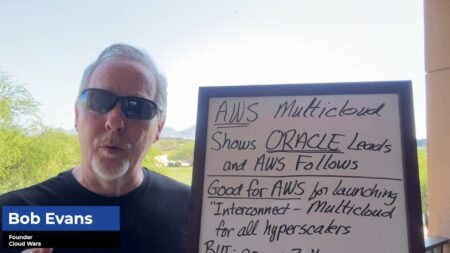
Multi-cloud partnerships reveal a deeper divide in cloud leadership, where Oracle’s early moves enabled seamless cross-platform deployment, leaving AWS positioned as a delayed follower.

Marc Benioff criticizes CEOs who scapegoat AI for layoffs, calling it a “lazy way out” and urging leaders to take accountability for business decisions during technological disruption.
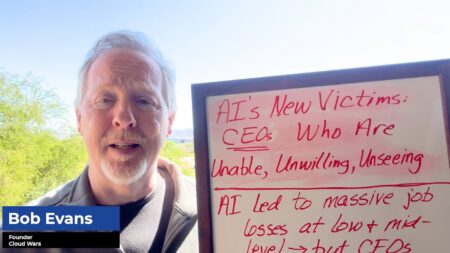
AI disruption is shifting from workforce layoffs to CEO accountability, as companies demand faster, decisive leadership to survive the transformation reshaping every industry.