



Workday is expanding agentic AI across the contract lifecycle with a new Contract Workflow Agent designed to automate manual work and connect contract tasks with broader business workflows.
“You give us three minutes and we will give you unique insights on the greatest growth market the world has ever known!“

I am your host, Bob Evans. Here you will see a full library of our daily news and commentary show from Cloud Wars that shares insights and perspective around the “re-imagination machine” that is the Cloud!
Workday is expanding agentic AI across the contract lifecycle with a new Contract Workflow Agent designed to automate manual work and connect contract tasks with broader business workflows.

Microsoft plans to more than triple data center capacity to 38 gigawatts by 2032, highlighting the extraordinary infrastructure build-out required to meet soaring AI compute demand.

Microsoft is targeting CRM vendor lock-in with Dynamics 365 Activate, an AI-powered migration tool designed to make moving from Salesforce faster, simpler, and less risky.

Salesforce is reportedly considering a nearly $2 billion acquisition of Listen Labs, potentially bringing AI-powered customer research and deeper context into its Agentforce ecosystem.
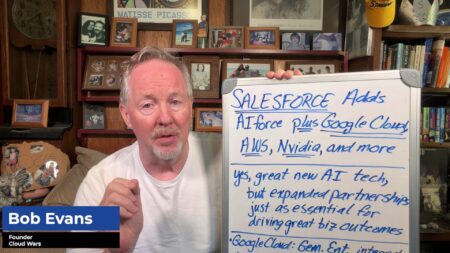
CEO Marc Benioff explained in his Dreamforce keynote how Salesforce unlocks value for customers beyond its AIforce through extended partnerships.
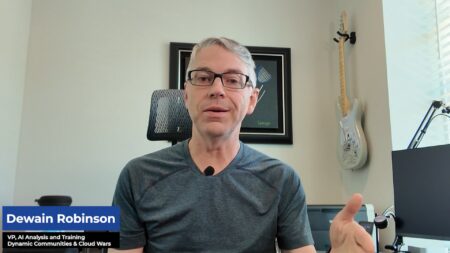
AI infrastructure spending is surging to $2.59 trillion, but rising compute and memory costs are putting pressure on cash flow and forcing hyperscalers to rethink AI investment.
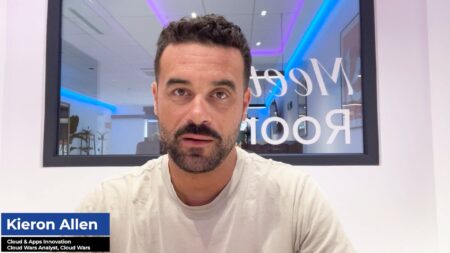
Microsoft is bringing OpenAI’s GPT-6 Astra to Foundry, combining advanced agentic capabilities with enterprise security, compliance, governance, and identity controls.
AI infrastructure spending is reaching unprecedented levels, but rising CapEx is beginning to outpace cash flow, raising questions about how hyperscalers will fund continued AI investment.
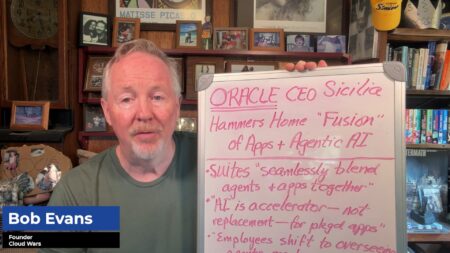
Oracle has been clear in defining where apps end and agents end, with CEO Mike Sicilia driving it home in comments in the Q1 earnings call.
AI model releases are accelerating faster than buyers can adopt them, creating model fatigue and increasing pressure for deeper integration and value.

OpenAI is reportedly developing automated AI shutdown capabilities as proposed U.S. legislation seeks government power to halt models that threaten human life or the economy.

Oracle’s Q1 cloud revenue and OCI growth rate have jumped this quarter. How can its business model innovation propel the company to rise even higher?

OpenAI’s decision to wind down its Cursor contract highlights how trust between technology providers is becoming increasingly critical as the AI ecosystem grows more interconnected.

Oracle delivers a blowout Q1 as cloud infrastructure revenue surges 121% and its $664 billion RPO nearly matches Microsoft’s massive backlog.
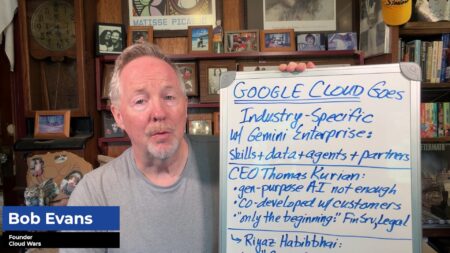
Google Cloud is taking Gemini Enterprise deep into vertical industries, beginning with financial services and legal and combining skills, data, agents, and partners into one AI system.

Microsoft’s strategic collaboration with Saudi AI company HUMAIN demonstrates how localized language models could become central to enterprise AI adoption across the Middle East and Africa.
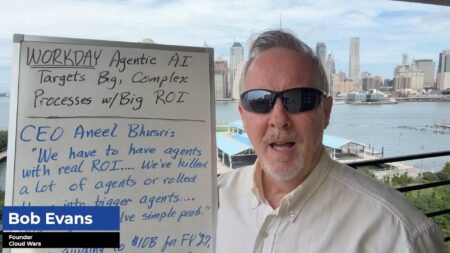
Workday is betting that fewer, more capable AI agents connected across enterprise systems and data will create greater customer value and differentiate it from larger rivals.

Meta’s massive Azure spending shows how AI is reshaping tech competition, with rivals increasingly becoming customers as infrastructure emerges as the new battleground.
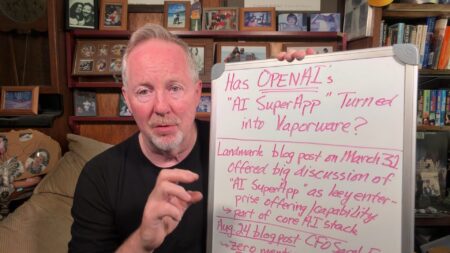
OpenAI once prominently promoted an AI super app, but its disappearance from Sarah Friar’s latest strategic update raises questions about whether the concept has quietly become vaporware.
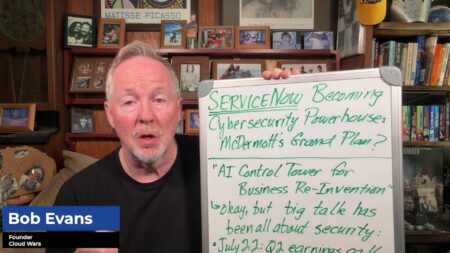
ServiceNow is rapidly building its cybersecurity presence, and three recent developments suggest Bill McDermott may see security as the company’s defining long-term opportunity.