


IBM unveils an industry-first governance suite for agentic AI, signaling a major pivot toward enterprise AI security.
IBM unveils an industry-first governance suite for agentic AI, signaling a major pivot toward enterprise AI security.

Veteran tech giants prove resilience and innovation still win, matching the market power of cloud-native disruptors.
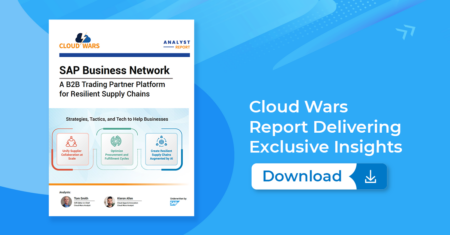
SAP Business Network is a global B2B platform that uses AI and data-driven collaboration to help companies build resilient, customer-centric supply chains in an unpredictable world.
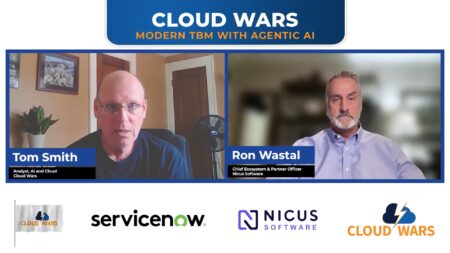
Nicus helps large enterprises connect technology costs to business value through AI-powered analytics.

Major health system shows the importance of planning for governance in the earliest days of deploying AI tech, as well as building a stable of tech vendors and platforms to enable innovation.
From workflow automation to HR threat detection, Bearing is redefining security innovation with agentic AI.
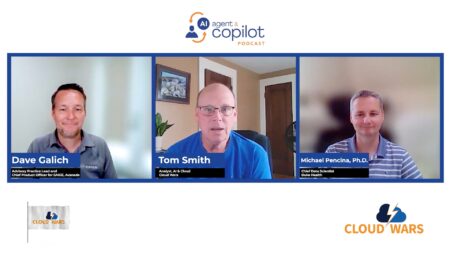
Duke Health chief data scientists details core components of governance, as well as work with Avanade, Microsoft, and other vendors to derive maximum advantage from AI technology.

The Cloud Wars Top 10 have surged past a $10 trillion market cap, reflecting unprecedented business confidence in the AI- and cloud-powered future.

This cumulative market cap total of $10 trillion reflects the confidence business leaders have in the Cloud Wars Top 10 companies.

Leading cloud and AI providers are partnering with enterprise customers to develop a comprehensive framework designed to secure AI systems and agents, advancing the industry’s ongoing push for stronger safeguards.

Google Cloud introduced AI-driven tools like the SOW Analyzer and Bot-Assisted Live Chat to help partners streamline processes, improve support, and enhance customer service delivery.

Bonnie Tinder shares insights from a recent Salesforce event, exploring how AI agents, unified data, and customer-focused innovation are reshaping the enterprise software landscape.
Cycle time, accuracy, cost per successful task completion, and end-user satisfaction are vital metrics that will give visibility into the success of AI projects.
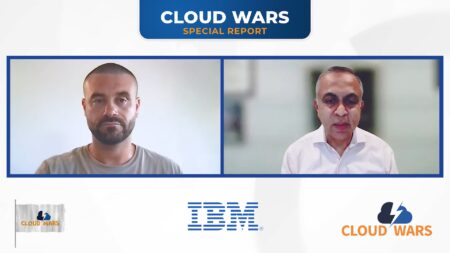
Ajay Patel of IBM outlines how enterprises are shifting from AI experimentation to real-world application, especially in sales, R&D, and operations.

Slack’s new API terms restrict bulk data exports and LLM training. Learn how the real-time search API impacts developers, AI use, and app distribution.

Oracle and SAP have rebranded themselves as cloud-first AI powerhouses, rivaling Google Cloud’s dominance.
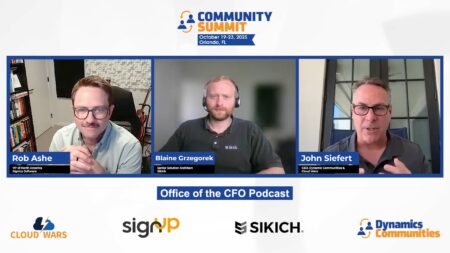
Rob Ashe, Blaine Grzegorek, and John Siefert explore how ISVs provide industry-specific ERP solutions, reduce internal development costs, and enhance scalability.

The latest Cloud Wars update reveals strong growth across major cloud providers, with shifting dynamics that signal an increasingly competitive and evolving market.
Marc Benioff’s 30%-50% AI impact statement puts Salesforce in the spotlight — but also under scrutiny. Are these numbers realistic, or do they reveal gaps in communication about AI’s real role?

OpenAI’s new deal with Google Cloud signals a strategic shift to diversify compute capacity and ease growing tensions in its complex partnership with Microsoft.