

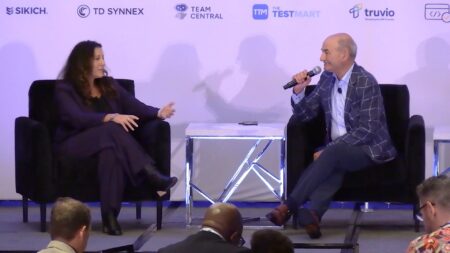
Cecilia Flombaum and John Scandar explain how AI is reshaping enterprise sales cycles, with increased focus on governance, ROI, and the convergence of business applications and modern work platforms.
Cecilia Flombaum and John Scandar explain how AI is reshaping enterprise sales cycles, with increased focus on governance, ROI, and the convergence of business applications and modern work platforms.
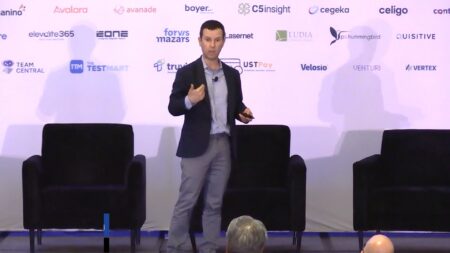
Thales Teixeira shows how AI enables companies to evolve from product vendors into strategic business partners.
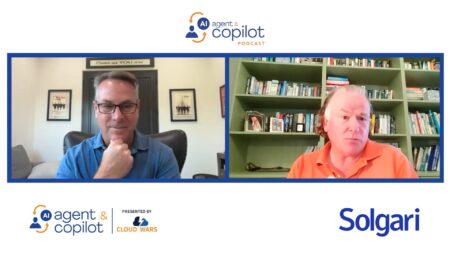
Solgari’s Ed Grant explains why customer engagement data is the foundation of successful AI strategies and how organizations are turning conversations into business outcomes.
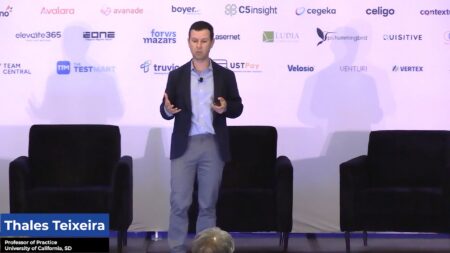
Thales Teixeira shares a practical framework for deploying customer-centric AI agents, highlighting the common implementation mistakes organizations should avoid and the strategies that turn AI into a true competitive advantage.
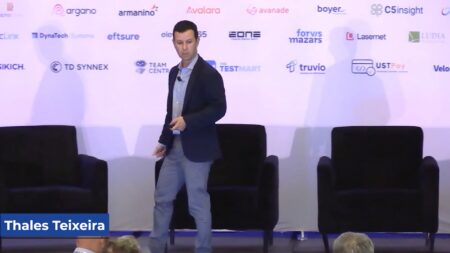
The companies that survive disruption are the ones focused on solving problems, not protecting products.

Akrites coordinates disclosure and remediation as discovery of open-source vulnerabilities in the AI Era is outrunning defense.

Dona Sarkar says AI has yet to find its defining mainstream use case, and the companies preparing now will be best positioned when that breakthrough moment arrives.

Microsoft modernized employee device procurement with a centralized platform before adding agentic AI, cutting costs by $20M and simplifying the user experience.
A cautionary look at AI adoption, highlighting how poorly chosen use cases and immature implementations can create more operational disruption than business value.
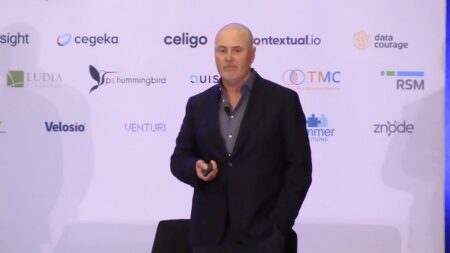
Christopher Lochhead explores how AI shifts the future of work from knowledge accumulation to value creation, arguing that success in the AI era depends on using individual strengths to create impact at scale.

Open Knowledge Format, or OKF, aims to become the MCP of representing knowledge and context so it can be consumed easily by AI agents without a translation layer.

Latest release of agent-building platform bolsters orchestration in complex workflows, simplifies integration by tapping Model Context Protocol (MCP).

Agent Optimizer functions ensure Foundry Hosted Agents adhere to user-defined criteria for the best instructions, skills, models, and tool descriptions.

NVIDIA-powered ‘Dev Box’ delivers horsepower to execute massive AI models from local systems on an ‘unmetered’ basis, while reference designs aim to make AI computing ubiquitous.
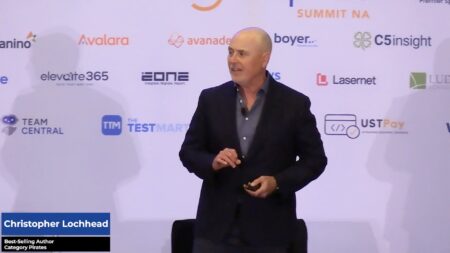
Christopher Lochhead explains how AI is making knowledge and execution increasingly free, shifting competitive advantage to agent-driven systems.

Autopilots increase the level of AI autonomy and automation. Build event also places major focus on agentic AI development — and controls — at the desktop.
Agent 365 introduces a unified control plane for managing enterprise AI agents, giving IT leaders centralized visibility, governance, security guardrails, and observability across the agentic workplace.

Giuseppe Ianni and Nandita Puri discuss how AI is helping connect fragmented biomedical research, reducing years of literature review into months of analysis and creating new opportunities for rare disease treatments.

Features for controlling the actions of agents — ensuring they don’t misbehave — bring the enterprise-level controls required by IT/security pros and business leaders alike.
Dona Sarkar explains why coding agents succeed first in AI adoption thanks to structured data, clear validation, and measurable outcomes.