


As it takes on work ranging from coding to running productivity apps to combining existing AI experiences, Copilot emerges as the driver of an expanding range of business activities.
As it takes on work ranging from coding to running productivity apps to combining existing AI experiences, Copilot emerges as the driver of an expanding range of business activities.

Experts including forward-deployed engineers (FDEs) are deemed key factor in accelerating outcomes, reducing risk, and ensuring operational impact of AI.

New functions can support apps that combine Dynamics 365 apps with business context from WorkIQ for complete experiences, Microsoft partners say.

‘Project HydraFusion’ evaluates each request and chooses the least complex workflow required, using additional model calls only when it anticipates a better result.

In this discussion, John Siefert, CEO, Dynamic Communities & Cloud Wars, is joined by Kelly Holwagner, Executive Vice President, HSO. The two…
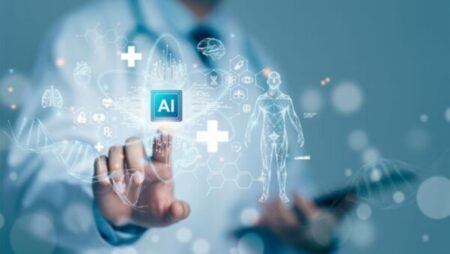
Instead of searching across laboratory results, medications, and specialist documentation, clinicians can prompt Epic and receive required information inside ChatGPT using new OpenAI connector.

New tools aimed at enforcing cost discipline include an AI pricing calculator, detection of spending anomalies, and spending caps for individual AI projects.

New features enhance positioning of Teams as a platform to support humans, agents working together to accelerate GitHub-powered dev projects.

Upgrades include automatically created documents and files, as well as interactive reports. Approvals and other repeatable work can be handled through automation.

AWS is expanding Security Hub with AI-specific protections and Azure support to secure AI and multicloud environments from a single platform.

In a fireside chat with John Siefert, Dewain Robinson explains how reasoning models are transforming Copilot Studio into an intelligent orchestration platform for enterprise AI.

Purview, Defender, and Graph API are all being enhanced to bring agents running on end-user devices under unified governance ‘control plane.’
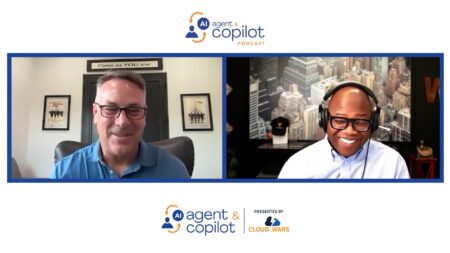
AI is dramatically accelerating software development, but Cedric Wells argues that organizations must balance rapid innovation with architecture, security, governance, and quality assurance to safely move AI-generated solutions into production.
AI is transforming enterprise implementation by using industry templates, Microsoft FastTrack methodologies, and AI-driven workflows to reduce complexity, speed up delivery, and improve post-sales execution.
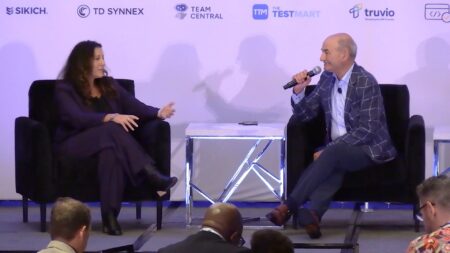
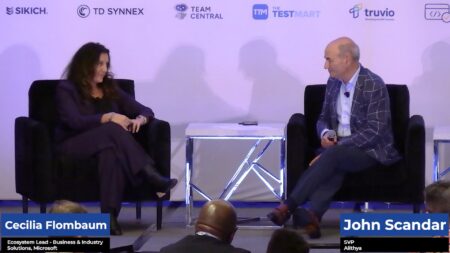
Cecilia Flombaum and John Scandar explain how AI is reshaping enterprise sales cycles, with increased focus on governance, ROI, and the convergence of business applications and modern work platforms.
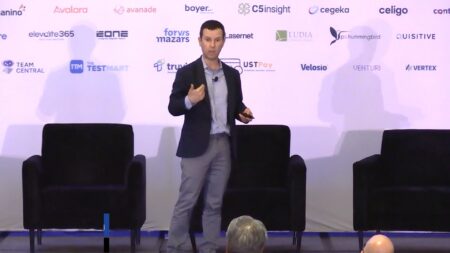
Thales Teixeira shows how AI enables companies to evolve from product vendors into strategic business partners.
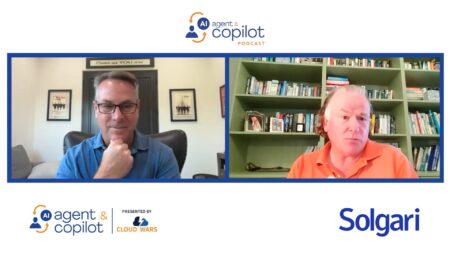
Solgari’s Ed Grant explains why customer engagement data is the foundation of successful AI strategies and how organizations are turning conversations into business outcomes.
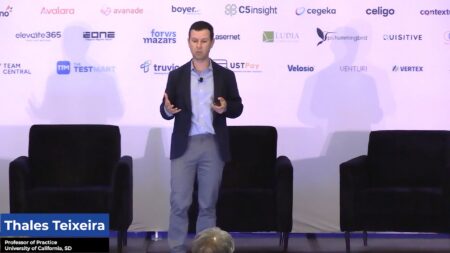
Thales Teixeira shares a practical framework for deploying customer-centric AI agents, highlighting the common implementation mistakes organizations should avoid and the strategies that turn AI into a true competitive advantage.
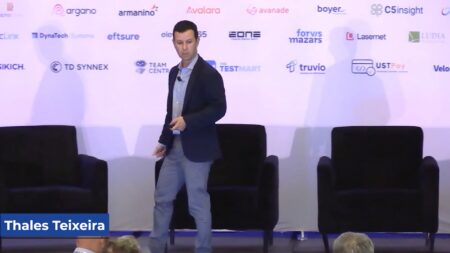
The companies that survive disruption are the ones focused on solving problems, not protecting products.

Akrites coordinates disclosure and remediation as discovery of open-source vulnerabilities in the AI Era is outrunning defense.