

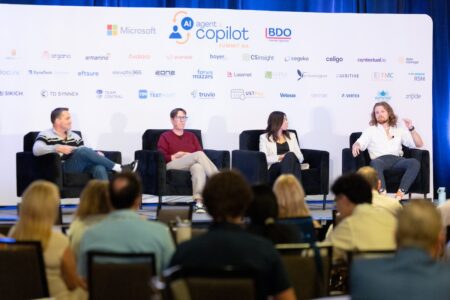
A high-energy final day at the AI Agent & Copilot Summit explores reskilling, prompt engineering frameworks, and the shift from AI experimentation to real-world execution.
A high-energy final day at the AI Agent & Copilot Summit explores reskilling, prompt engineering frameworks, and the shift from AI experimentation to real-world execution.

The conversation explores how orchestration—both technical and human—is becoming a critical capability, with organizations increasingly treating AI agents as part of the workforce that must be coordinated and managed effectively.
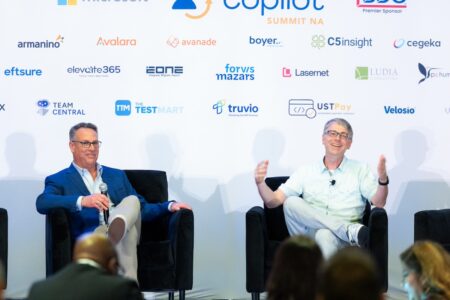
Day two of the AI Agent & Copilot Summit highlights the shift to reasoning-driven copilots, practical agent strategies, and real-world AI adoption.

Dona Sarkar calls out the “tech bro”-driven AI hype machine and shares a blueprint to push AI into mainstream use cases that will deliver on the tech’s considerable promise.
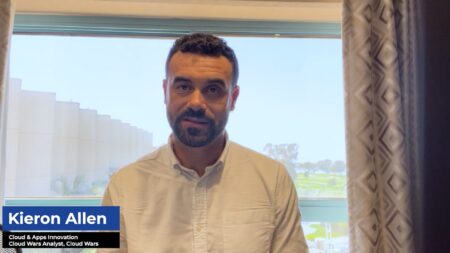
Day 2 of the AI Agent & Copilot Summit included a variety of session formats designed to demonstrate real-world applications of agentic AI.
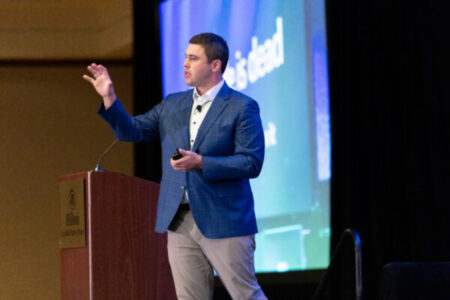
WorkIQ-powered Copilot Cowork orchestrates complex tasks to the point it could take over one-fifth of any team’s work in the near term, while hastening the end of app-powered work.
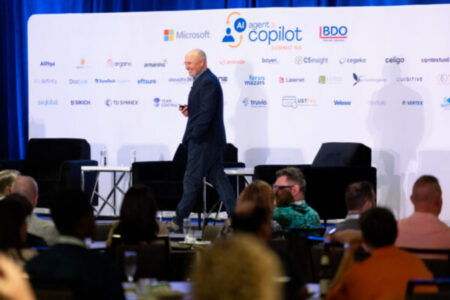
At AI Agent & Copilot Summit 2026 in Torrey Pines, Christopher Lochhead argues that as AI makes knowledge and execution free, the future belongs to creators who differentiate and build entirely new categories of work.
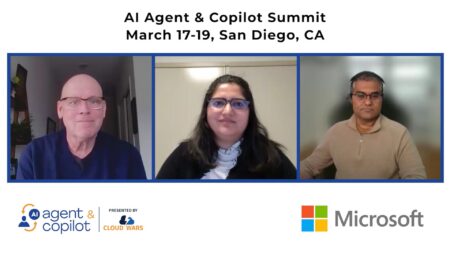
Microsoft data scientists share how AI is transforming cyber defense by enabling intelligent assistants that analyze attacks, suggest detection rules, and help organizations stay ahead of increasingly sophisticated AI-enabled attackers.

Rather than replacing SaaS, AI is becoming its most powerful accelerator. Oracle’s approach embeds agentic AI across Fusion applications, enabling faster deployments, reduced operational complexity, and dramatically improved customer outcomes.
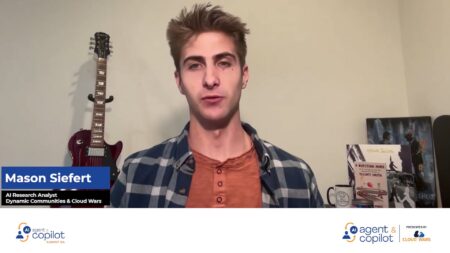
AI agents are starting to handle purchases, and companies like Google and Mastercard are racing to build the systems that make those transactions safe and trusted.
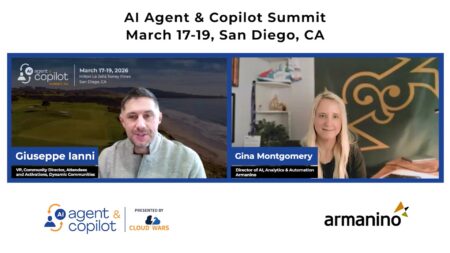
Armanino’s Gina Montgomery explains why organizations must move beyond AI experimentation and focus on designing trusted Copilot and agent experiences.
Mason Siefert explores the concept of smart friction in the grocery industry, which enhances brand identity and customer experience.
Andrea Pinillos shares how Microsoft helps enterprise customers run strategic engagement events through internal tools and explains how similar practical solutions can help organizations deploy AI agents that connect to real business data.
Organizations must balance AI experimentation with governance to prevent shadow AI projects from fragmenting data and creating new security risks.
Mark Polino explains why businesses must rethink security roles, implement strict guardrails, and proactively design policies for an AI-driven environment.

Anthropic Claude-powered feature headlines Copilot Wave 3 announcement. Other enhancements include app-native Copilots and the Microsoft 365 E7 ‘Frontier Suite.’
In this episode, Diego Araujo discusses the challenges enterprises face when adopting AI copilots in Dynamics 365 Finance & Operations, emphasizing governance, user adoption, and selecting high-impact use cases that can demonstrate value quickly and overcome skepticism.

As enterprises require AI models to deliver consistent, secure performances on a regular basis, organizations need an AI-ready security foundation that protects their data, meets regulatory demands, and brings order.
With only about 15% of consumers using customer-facing AI, grocery retailers are shifting their strategy. Instead of pushing AI directly to shoppers, companies are investing in AI copilots for store associates to drive operational efficiency and better customer service.
Rejecting “SaaSpocalypse” fears, Aneel Bhusri argues AI will enhance enterprise applications rather than replace them. Workday’s strategy focuses on AI agents embedded within its HR and finance platform to drive new growth and customer value.