

Microsoft is expanding its AI strategy by embedding Copilot directly into Microsoft 365 Business Standard and Premium plans, simplifying licensing and accelerating AI adoption among small and medium-sized businesses beginning July 1.
Microsoft is expanding its AI strategy by embedding Copilot directly into Microsoft 365 Business Standard and Premium plans, simplifying licensing and accelerating AI adoption among small and medium-sized businesses beginning July 1.
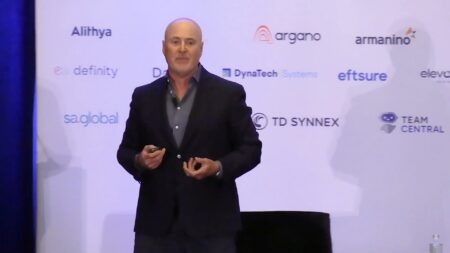
Christopher Lochhead explains why AI is making knowledge and execution less valuable while elevating human judgment, taste, creativity, and category creation.

NVIDIA-powered ‘Dev Box’ delivers horsepower to execute massive AI models from local systems on an ‘unmetered’ basis, while reference designs aim to make AI computing ubiquitous.
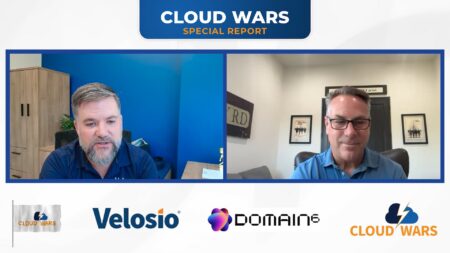
An exploration of why future agility, rather than future-proofing, is becoming the defining characteristic of successful digital businesses.

Microsoft updates Finance Agent to provide a command center-type interface, as well as support for natural language prompts to gain and act on financial insights.
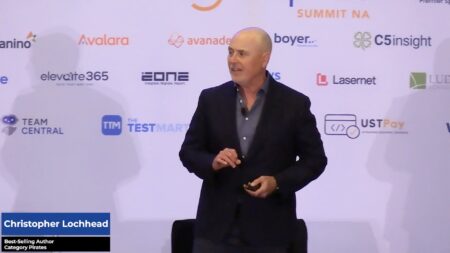
Christopher Lochhead explains how AI is making knowledge and execution increasingly free, shifting competitive advantage to agent-driven systems.

Autopilots increase the level of AI autonomy and automation. Build event also places major focus on agentic AI development — and controls — at the desktop.

Support for Compliance API gives Purview visibility into conversations and events, bringing both data types in Claude under broader enterprise controls.
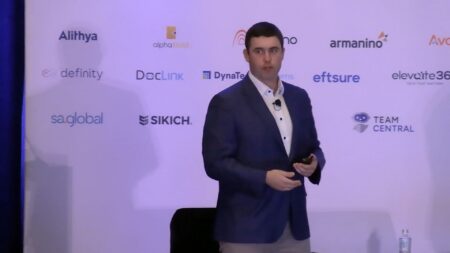
Agent 365 introduces a unified control plane for managing enterprise AI agents, giving IT leaders centralized visibility, governance, security guardrails, and observability across the agentic workplace.
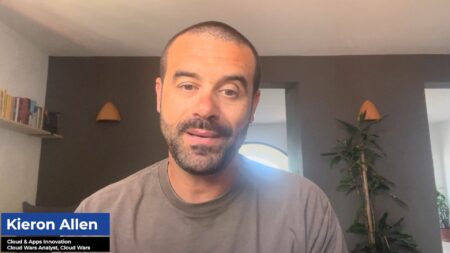
Copilot Studio’s new visibility and governance capabilities help organizations scale AI automation while preserving security and operational oversight.
Google Cloud has launched Google AI Threat Defense, an AI-powered cybersecurity platform designed to help organizations proactively identify, prioritize, and remediate threats while keeping pace with increasingly sophisticated AI-driven cyberattacks.
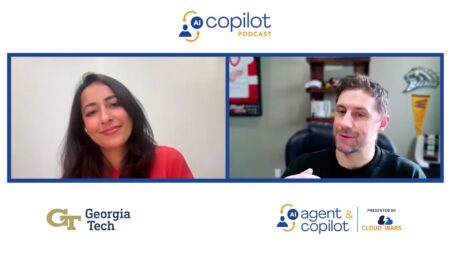
Giuseppe Ianni and Nandita Puri discuss how AI is helping connect fragmented biomedical research, reducing years of literature review into months of analysis and creating new opportunities for rare disease treatments.

Features for controlling the actions of agents — ensuring they don’t misbehave — bring the enterprise-level controls required by IT/security pros and business leaders alike.

Dona Sarkar explains why coding agents succeed first in AI adoption thanks to structured data, clear validation, and measurable outcomes.
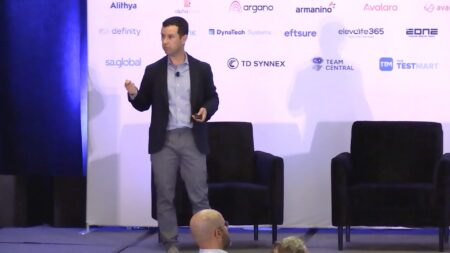
Thales explains how organizations can use AI-driven competitive intelligence to identify market weaknesses, exploit operational gaps, and respond faster than competitors.
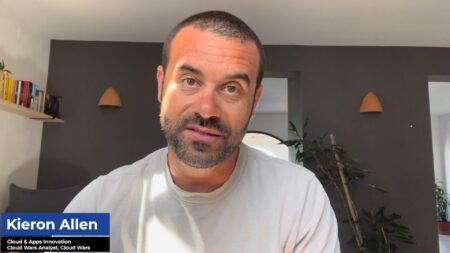
Microsoft and EY’s expanded partnership combines AI-native engineering with business consulting to help organizations scale transformative AI initiatives.

Workday’s strong Q1 performance highlights CEO Aneel Bhusri’s push to transform the company into an AI-native enterprise focused on agentic AI innovation, lawful governance, and accelerated product development to compete with SAP, Oracle, and Microsoft.
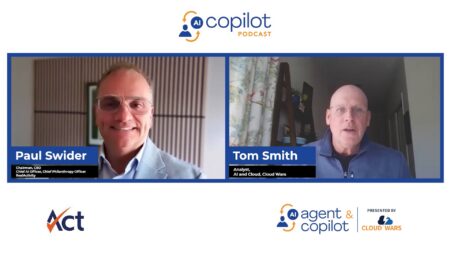
AI and Microsoft expert Paul Swider details a personal health assistant he’s built called Tula that unifies all of a patient’s data and aims to level the healthcare playing field.
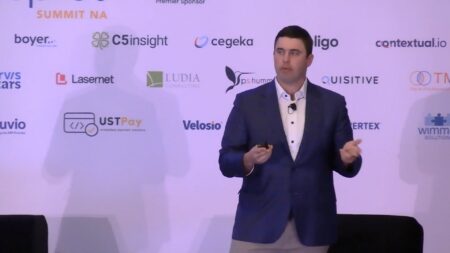
James Oleinik explains how Work IQ powers Copilot with real-time enterprise context, turning AI into an intelligent execution layer for work.
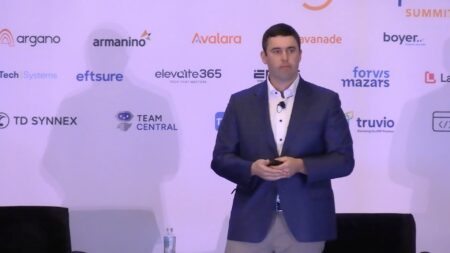
James Oleinik explains how Agent 365 provides the visibility, governance, and security foundation needed to manage AI agents across the enterprise.