

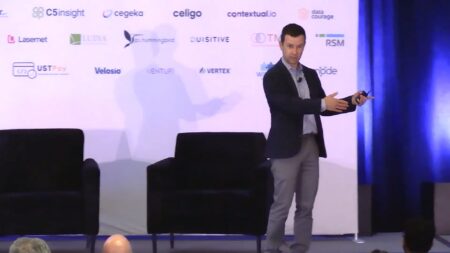
A cautionary look at AI adoption, highlighting how poorly chosen use cases and immature implementations can create more operational disruption than business value.
A cautionary look at AI adoption, highlighting how poorly chosen use cases and immature implementations can create more operational disruption than business value.

KPMG and Microsoft are expanding their partnership to help enterprises deploy agentic AI at scale through standardized governance, deployment, and management frameworks.

Mustafa Suleyman believes AI progress is accelerating dramatically, with model-training compute expected to increase another thousand-fold over the next three years.
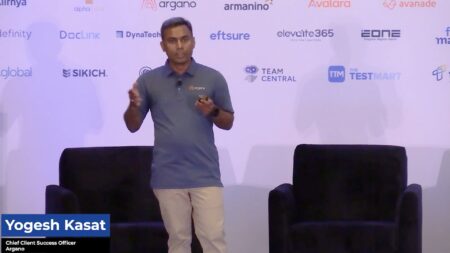
Yogesh Kasat explains why enterprise AI adoption succeeds when organizations begin with practical use cases, measurable ROI, and hands-on experimentation.
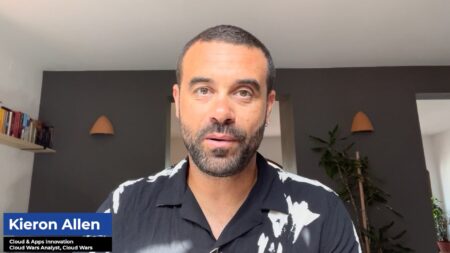
Microsoft is testing new AI-powered workplace devices under Project Solara, aiming to create agent-first experiences that move AI interactions beyond traditional PCs and applications.

The Hyperscaler Backlog Sweepstakes defines the top AI factories, ranking Google Cloud, Oracle, Microsoft, and AWS in the top four.
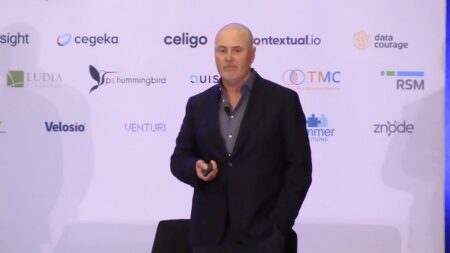
Christopher Lochhead explores how AI shifts the future of work from knowledge accumulation to value creation, arguing that success in the AI era depends on using individual strengths to create impact at scale.
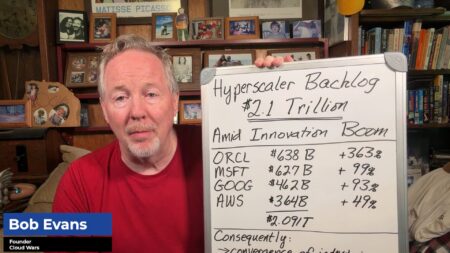
The Hyperscaler Backlog Sweepstakes — including Oracle, Microsoft, Google Cloud, and Oracle — have led to a backlog total of $2.1 trillion.

Open Knowledge Format, or OKF, aims to become the MCP of representing knowledge and context so it can be consumed easily by AI agents without a translation layer.
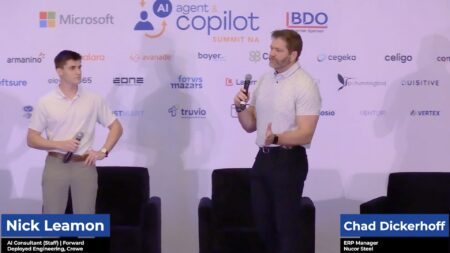
Nick Leamon and Chad Dickerhoff explain how AI sales order agents automate manual workflows, translating customer requests directly into ERP-ready business operations.

DynaTech Systems enabled Solmax to modernize finance and supply chain operations while delivering real-time reporting and greater operational efficiency.

For 40 years, Larry Ellison used Oracle earnings calls to forecast industry trends, challenge competitors, and champion innovation. His apparent withdrawal from that platform marks the end of one of technology’s most influential public forums.

Latest release of agent-building platform bolsters orchestration in complex workflows, simplifies integration by tapping Model Context Protocol (MCP).

A 363% surge in Oracle’s RPO demonstrates extraordinary customer demand and positions the company as one of the fastest-growing forces in enterprise AI and cloud computing.
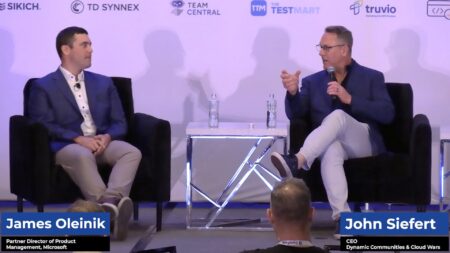
James Oleinik explains how enterprises can scale AI by combining centralized governance with business-led innovation and operational flexibility.
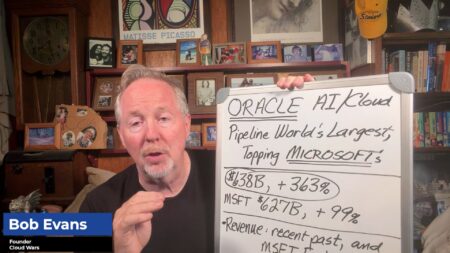
While Microsoft dominates current cloud revenue, Oracle’s rapidly expanding RPO points to a dramatically different competitive landscape ahead.
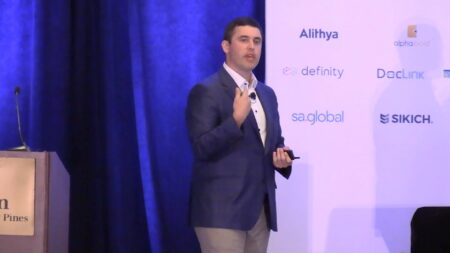
James Oleinik explains how Microsoft Entra and Purview provide identity, observability, and centralized governance for managing enterprise AI agents at scale.

Agent Optimizer functions ensure Foundry Hosted Agents adhere to user-defined criteria for the best instructions, skills, models, and tool descriptions.
Microsoft is expanding its AI strategy by embedding Copilot directly into Microsoft 365 Business Standard and Premium plans, simplifying licensing and accelerating AI adoption among small and medium-sized businesses beginning July 1.
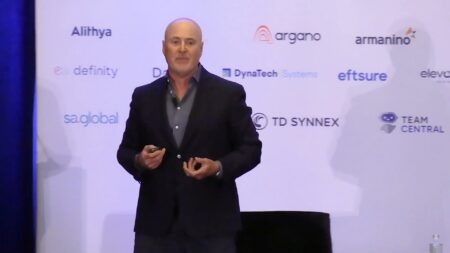
Christopher Lochhead explains why AI is making knowledge and execution less valuable while elevating human judgment, taste, creativity, and category creation.