


Working with DynaTech Systems, Solmax standardized global business processes and created a single source of truth, helping eliminate data silos and improve financial and operational decision-making across multiple regions.
Working with DynaTech Systems, Solmax standardized global business processes and created a single source of truth, helping eliminate data silos and improve financial and operational decision-making across multiple regions.

Microsoft modernized employee device procurement with a centralized platform before adding agentic AI, cutting costs by $20M and simplifying the user experience.

Sachin Gandhi outlines how enterprises are scaling AI through a growing ecosystem of first-party, partner, and custom agents across core business functions.

IBM and Google Cloud have launched a new Google Cloud Practice designed to help organizations accelerate AI deployments by combining IBM Consulting expertise with Google Cloud’s Gemini Enterprise Agent Platform, cybersecurity capabilities, and advanced data technologies.

A cautionary look at AI adoption, highlighting how poorly chosen use cases and immature implementations can create more operational disruption than business value.
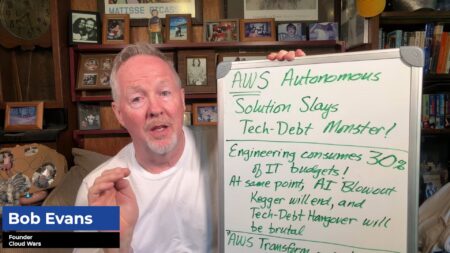
As AI spending surges, AWS argues that companies cannot ignore technical debt, which continues consuming substantial IT resources that could otherwise fuel innovation.
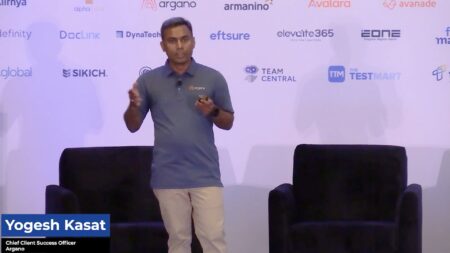
Yogesh Kasat explains why enterprise AI adoption succeeds when organizations begin with practical use cases, measurable ROI, and hands-on experimentation.

Christopher Lochhead explores how AI shifts the future of work from knowledge accumulation to value creation, arguing that success in the AI era depends on using individual strengths to create impact at scale.

Nick Leamon and Chad Dickerhoff explain how AI sales order agents automate manual workflows, translating customer requests directly into ERP-ready business operations.
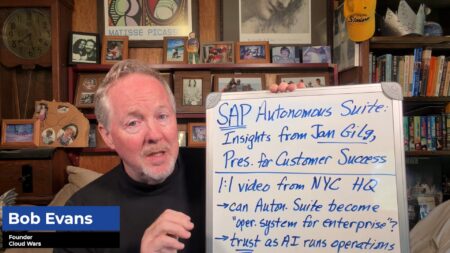
SAP is betting that its new Autonomous Suite will help customers transition from traditional ERP systems to AI-powered enterprises built on trust, automation, and business outcomes.
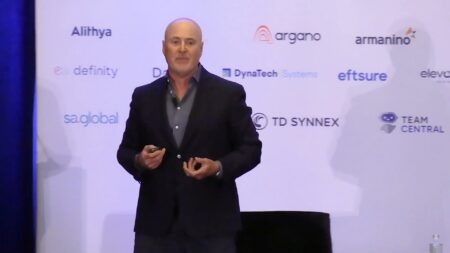
Christopher Lochhead explains why AI is making knowledge and execution less valuable while elevating human judgment, taste, creativity, and category creation.

ServiceNow CEO Bill McDermott says the company is now AI-native and targeting five high-growth markets worth more than $600 billion, backed by strong momentum in AI, security, CRM, employee experience, and data management.

Autopilots increase the level of AI autonomy and automation. Build event also places major focus on agentic AI development — and controls — at the desktop.

AI is dramatically reducing implementation effort, forcing enterprise services firms to rethink staffing, pricing, and customer engagement models.

Copilot Studio’s new visibility and governance capabilities help organizations scale AI automation while preserving security and operational oversight.

Features for controlling the actions of agents — ensuring they don’t misbehave — bring the enterprise-level controls required by IT/security pros and business leaders alike.

Dona Sarkar explains why coding agents succeed first in AI adoption thanks to structured data, clear validation, and measurable outcomes.

The biggest AI opportunity in enterprise software may be reducing implementation friction, not simply adding generative features.

James Oleinik explains how Work IQ powers Copilot with real-time enterprise context, turning AI into an intelligent execution layer for work.

Despite strong optimism around AI adoption, Workday found that most enterprise users still act as intermediaries between AI tools, reducing productivity and undermining the promise of automation.