


Throughout history, technology has always been seen as a threat to livelihoods, but its disruptions have always led to more (and better) work opportunities.
Throughout history, technology has always been seen as a threat to livelihoods, but its disruptions have always led to more (and better) work opportunities.
ChatGPT’s ability to produce code has been overlooked in the media frenzy, but generative AI can make developers more productive, and focused, according to Bill Doerrfeld.
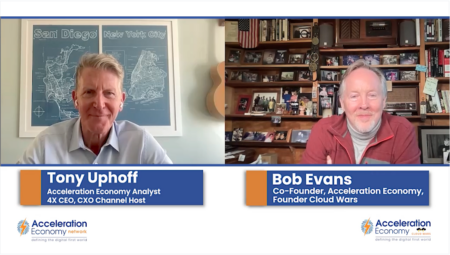
Tony Uphoff discusses the splashy intro of accessible generative AI and what biz leaders should be doing (and not doing) to take advantage.
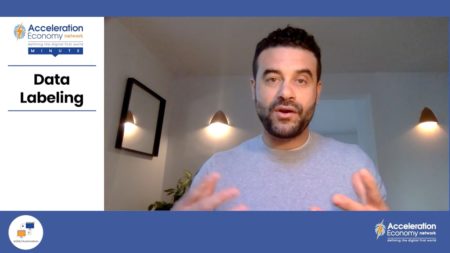
Kieron Allen explains how ChatGPT and OpenAI have onboarded 1,000 contractors for data labeling, which is a fast-growing role in the AI/ML space.
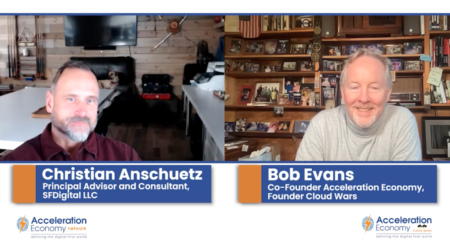
Christian Anschuetz says that biz leaders must have threats and opportunities created by ChatGPT on their radars, like Google & Microsoft.

La tecnología ChatGPT no es ni buena ni mala, el uso que se le dé dependerá de la intención última del usuario.

ChatGPT is both the most overhyped and underhyped technology today. Tony Uphoff explains why.

Tony Uphoff cautions against both positive and negative hyperbole around ChatGPT, which nevertheless looks like a game-changing technology.
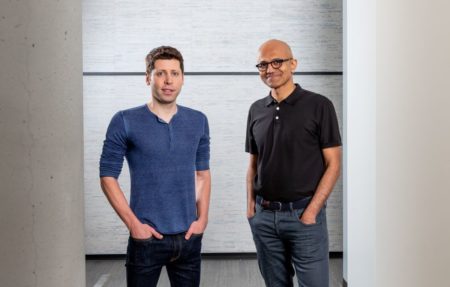
Bob Evans analyzes the recent news that Microsoft and OpenAI are partnering to develop the Azure AI general intelligence platform.

Will Microsoft invest $10 billion in OpenAI and its ChatGPT tool? Acceleration Economy’s Aaron Back, Wayne Sadin, Tom Smith, and Toni Witt discuss the outcome of this potential investment.

AI tools such as ChatGPT and DALL-E 2 offer new ways to create content, product designs, and technology. Analysts Toni Witt explains why CXOs should take note.

AI infrastructure spending is reaching unprecedented levels, but rising CapEx is beginning to outpace cash flow, raising questions about how hyperscalers will fund continued AI investment.

OpenAI is reportedly developing automated AI shutdown capabilities as proposed U.S. legislation seeks government power to halt models that threaten human life or the economy.
OpenAI prominently outlined plans for a unified AI superapp in March, but CFO Sarah Friar’s August description of the company’s AI-native stack makes no mention of it, raising questions about whether OpenAI has changed its strategy.
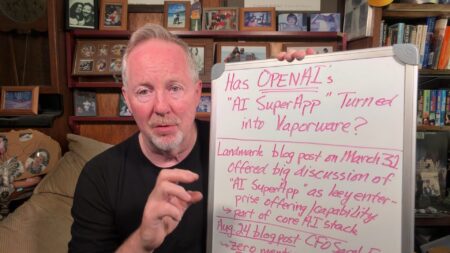
OpenAI once prominently promoted an AI super app, but its disappearance from Sarah Friar’s latest strategic update raises questions about whether the concept has quietly become vaporware.

On the strength of customer design partnerships and an expansive ecosystem, Google Cloud delivers AI platforms that could unlock AI innovation in support of vertical use cases.

New features enhance positioning of Teams as a platform to support humans, agents working together to accelerate GitHub-powered dev projects.

Consolidated AI chatbots raise order values up to 26% at Albertsons, while WalMart’s in-store AI use requires employees to further train AI models with business context.
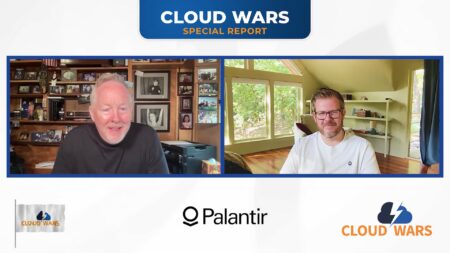
Palantir’s rapid growth reflects an enterprise AI strategy centered on measurable customer outcomes, operational transformation, sovereignty, and deep long-term partnerships.

Enterprise AI’s next breakthrough will come from evaluating agents against real business workflows and continuously improving their performance with proprietary organizational knowledge.