

Microsoft’s latest Windows update signals a shift from widespread Copilot deployment toward more intentional, value-driven AI integration and agentic experiences.
Microsoft’s latest Windows update signals a shift from widespread Copilot deployment toward more intentional, value-driven AI integration and agentic experiences.
Marc Benioff’s vision of the Agentic Enterprise places Slack at the core, transforming it into an operating system where AI agents collaborate with humans to drive productivity, innovation, and faster decision-making.
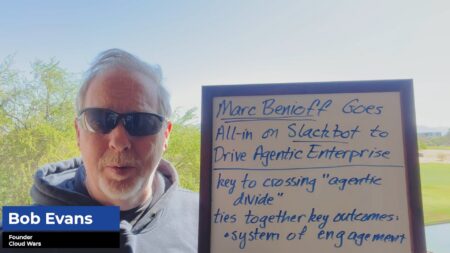
The concept of an “AI agentic divide” highlights how forward-thinking companies are accelerating innovation while others risk falling behind in adopting AI-driven workflows.

With 209% ROI and six-month payback, Business Central is helping organizations streamline finance operations while enabling AI-powered insights through unified data and standardized processes.
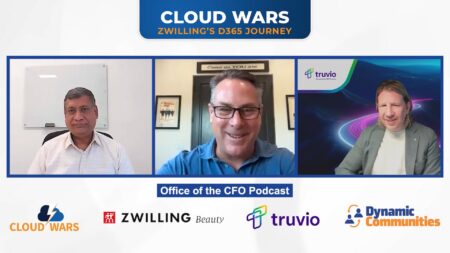
Chander Vaidyanathan and Morgan Johnson discuss how Zwilling Beauty Group’s shift to Dynamics 365 and partnership with Truvio enabled AP automation, improved accuracy, and set the stage for AI-driven transformation.

Mason Siefert explains how autonomous agents are transforming finance teams by replacing manual reconciliation and accounts payable tasks with intelligent, always-on systems that learn, adapt, and reduce risk.
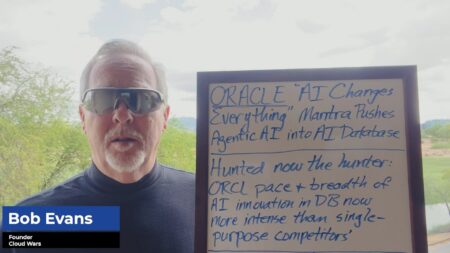
With its AI-first strategy, Oracle is transforming its database into an intelligent decision-making engine, enabling customers to activate data and gain a major competitive edge.

Google Cloud showcased its cybersecurity strategy at RSAC 2026, highlighting its Wiz acquisition and new agentic AI tools designed to automate threat detection, improve response times, and strengthen multicloud security in an increasingly complex digital landscape.
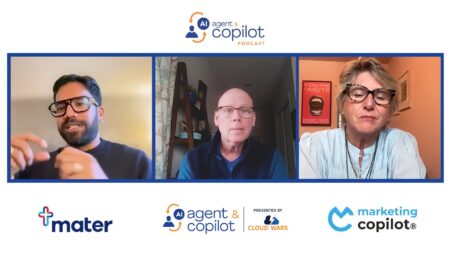
In their highlights from AI Agent and Copilot Summit, Ronak Mathur and Marie Wiese note the importance of ongoing human involvement, as well as the opportunity for partners to provide licensing guidance while building trust.
New AI platforms are eliminating data silos by integrating multiple enterprise systems into unified, intelligent workflows.

SAP plans a gradual move from SaaS subscriptions to AI usage-based pricing, signaling a structural change in enterprise software economics.
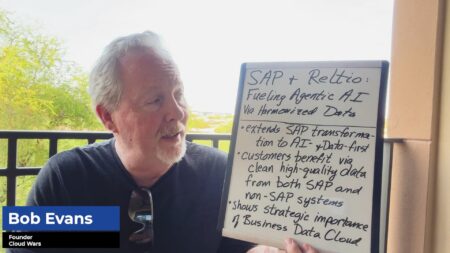
SAP takes another step toward being an AI-first, data-first company by acquiring Reltio, enhancing the Business Data Cloud and providing customers with access to quality data.
Agentic AI is transforming ERP implementations by automating design, testing, and support, reducing costs and accelerating delivery timelines significantly.
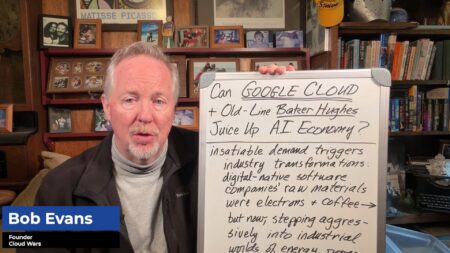
The surge in AI data center demand is collapsing industry lines, pushing tech companies into energy partnerships that could redefine power generation, infrastructure investment, and long-term innovation strategies.
New AI-powered applications enable users to instruct systems with goals instead of processes, dramatically changing enterprise workflows and decision-making.
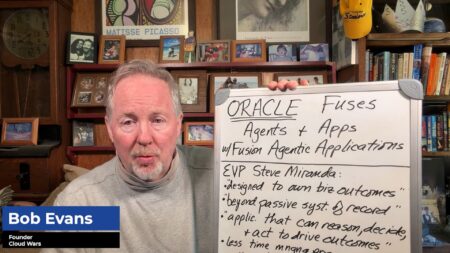
Steve Miranda outlines Oracle’s vision for agentic applications that don’t just assist — but actively drive business outcomes across sales, supply chain, and workforce operations.
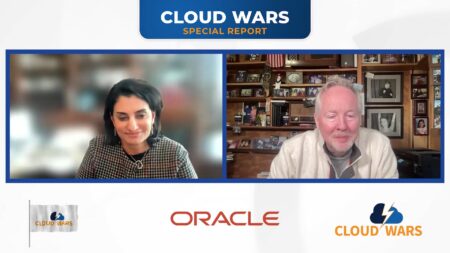
A unified, end-to-end approach is replacing fragmented healthcare systems with connected data and intelligent workflows powered by modern infrastructure.
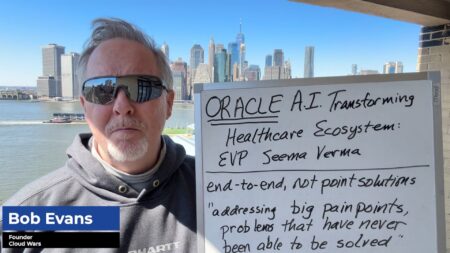
By leveraging AI, Oracle aims to shift healthcare from disconnected systems to a fully integrated ecosystem connecting providers, payers, and patients with improved efficiency and coordination.
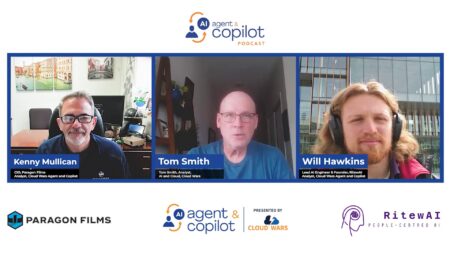
In their highlights from AI Agent and Copilot Summit, Kenny Mullican and WIll Hawkins explain the value of support for third-party tools, note the need for greater interoperability in the Microsoft stack.

Copilot Health transforms overwhelming health data into actionable insights by combining AI with physician oversight — pointing to a future of smarter, more secure healthcare.