

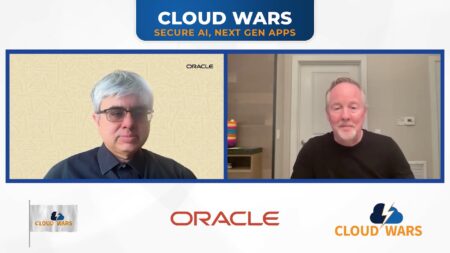
Agentic AI is shifting enterprise systems from answering questions to taking secure, autonomous action at scale.
Agentic AI is shifting enterprise systems from answering questions to taking secure, autonomous action at scale.
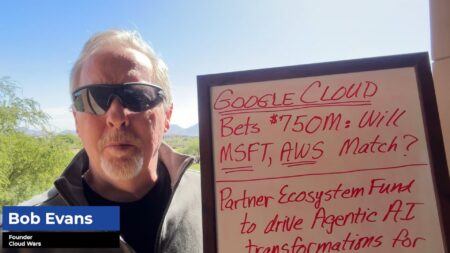
Google Cloud’s $750M ecosystem investment and major AI push signal an aggressive move to lead the agentic AI transformation race among hyperscalers.
SAP’s surging cloud growth and backlog expose the widening gap between AI-doom narratives and the strong reality of enterprise applications in the agentic AI era.

While many predict AI will destroy enterprise software vendors, SAP’s Q1 2026 results tell a different story: cloud revenue rose 27%, Cloud ERP Suite grew 30%, and backlog climbed 25%, proving strong momentum.
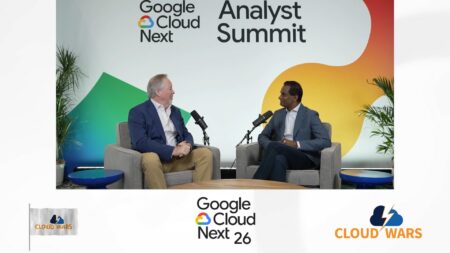
Enterprise AI success is shifting from software consumption metrics to measurable business outcomes and shared accountability between providers and customers.
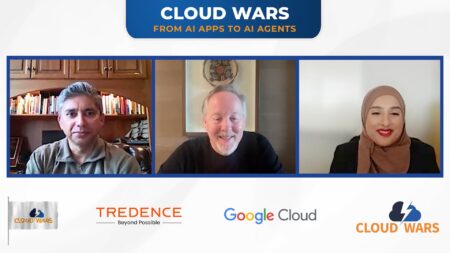
Enterprises must move beyond AI apps and build agentic systems that reason, coordinate, and execute across multiple business workflows.
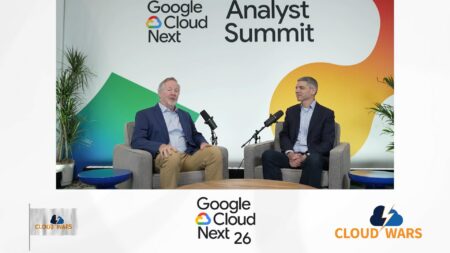
Enterprises must redesign data platforms so autonomous AI agents can reason, act, and securely drive business outcomes across the organization.

After years of disconnected AI breakthroughs, Gemini Enterprise delivers a cohesive system that simplifies deployment, enhances usability, and enables enterprises to fully leverage agentic AI across operations, data, and workflows.

A major focus for sa.global is building industry-specific AI agents tailored to professional services sectors like construction and legal, aiming to reduce inefficiencies, automate workflows, and protect revenue streams.
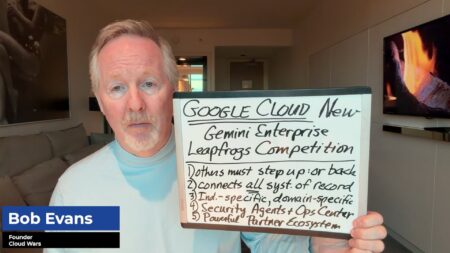
At Google Cloud Next, Gemini Enterprise emerges as a major step forward in enterprise AI, combining integrated data access, industry agents, advanced security, and partner innovation into a simplified, end-to-end platform.
By leveraging AWS Interconnect multicloud, Oracle enhances its cloud offerings with private, high-speed connections that simplify multi-cloud deployments and unlock new opportunities for enterprise agility and performance.

Tad Remington explains how Solver is embedding AI agents into FP&A workflows, enabling organizations to analyze trusted, pre-structured financial data and streamline planning processes without requiring extensive manual intervention or custom-built systems.
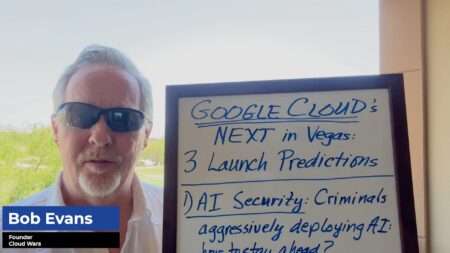
Google Cloud heads into Next with momentum, expected to unveil major advances in AI security, sovereignty, and Gemini Enterprise to strengthen its leadership in the rapidly evolving AI Economy.
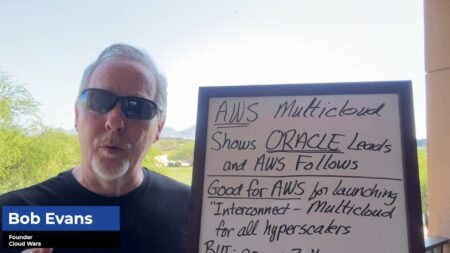
Multi-cloud partnerships reveal a deeper divide in cloud leadership, where Oracle’s early moves enabled seamless cross-platform deployment, leaving AWS positioned as a delayed follower.

Microsoft addresses the limitations of pure AI autonomy by integrating workflows and agents, creating more structured, flexible automation systems tailored to enterprise production environments.

Marc Benioff criticizes CEOs who scapegoat AI for layoffs, calling it a “lazy way out” and urging leaders to take accountability for business decisions during technological disruption.
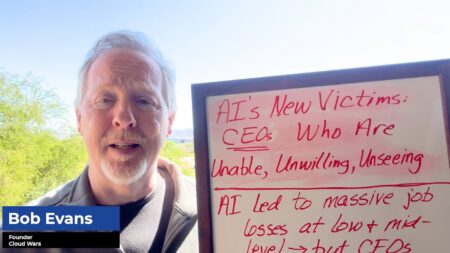
AI disruption is shifting from workforce layoffs to CEO accountability, as companies demand faster, decisive leadership to survive the transformation reshaping every industry.

Latest MCP product from Microsoft works with cloud or on-premises SQL databases for efficient, secure connections to corporate resources without requiring language or framework expertise.
AI agents are advancing rapidly, but compliance concerns persist, and Panopticore aims to solve this with deterministic governance and verifiable audit trails at the network infrastructure level.
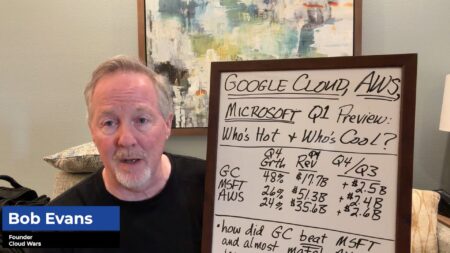
Despite Microsoft and AWS dominating in scale, Google Cloud’s Q4 performance suggests it may be capturing a disproportionate share of new enterprise cloud and AI workloads.