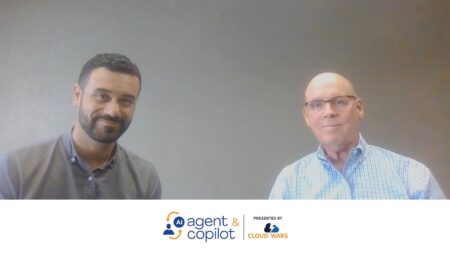



With a heatwave still simmering here on the West Coast on day three of the 2026 AI Agent & Copilot Summit, the first fireside chats of the day were shifted outside to the Parterre Garden, with attendees enjoying the beautiful weather and a wealth of inspiring insights from leaders including CEO and award-winning author Marie Weise and TMC CEO and Founder Jennifer Harris.
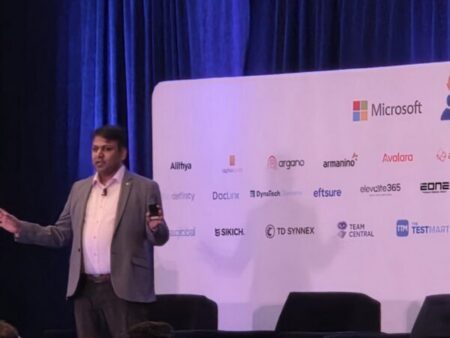
Back in the ballroom, the morning keynote, “The AI ERP Revolution with Dynamics 365”, was led by Sachin Gandhi, Principal Solution R&D Architect at Microsoft who was later joined on stage by other customers sharing their agent building stories.
The session focused on agent-driven ERP and highlighted the importance of the various Model Context Protocol (MCP) servers delivered by Microsoft that enable agents to perform the same tasks as human operators. This is a critical development, and my colleague Tom Smith takes a deep dive into the keynote, particularly discussing the role of MCP, here.
The Importance of Reskilling
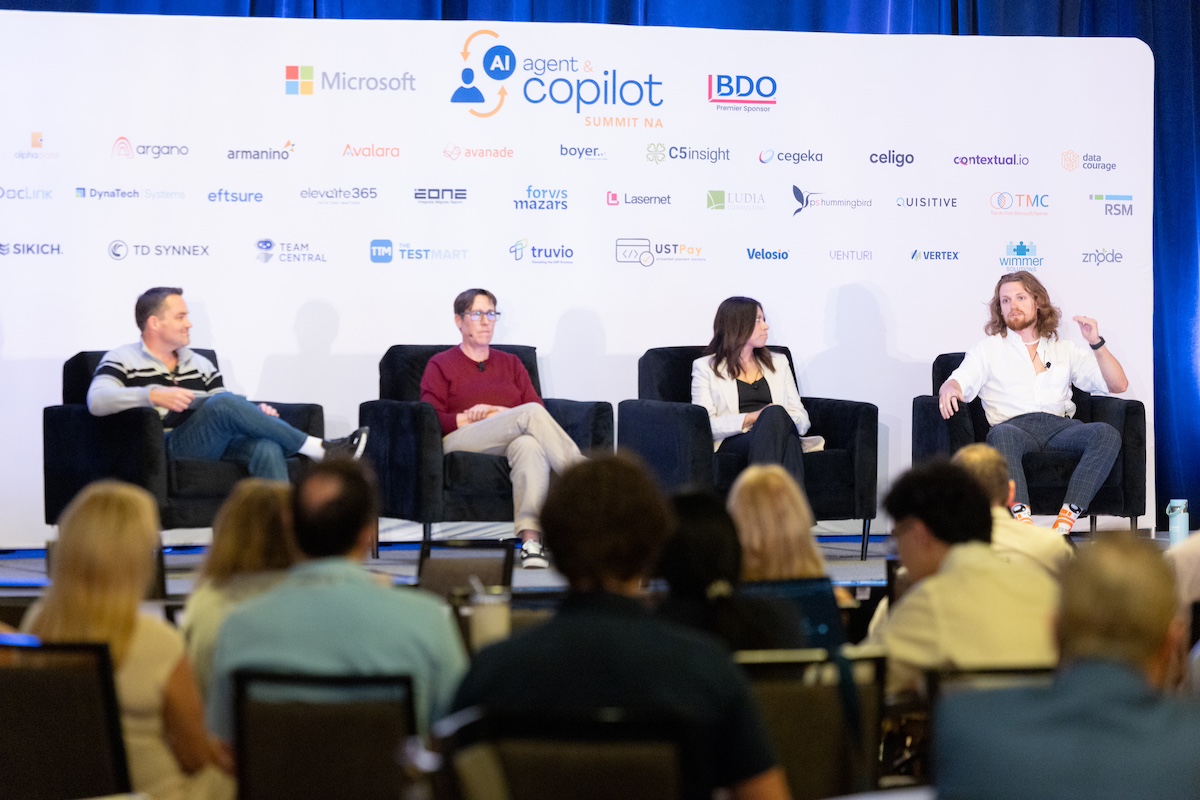
One of the standout sessions on day three was the “Reskilling for Human Relevance Panel” with Jacquelyn Polanco, Sales Administration Manager at Texas Disposal, Will Hawkins, Lead AI Engineer & Founder at RitewAI, Carmel Wynkoop, Partner at Armanino, and Shawn Dorward, Vice President at sa.global, who moderated the session.
One of the biggest challenges business are facing in the AI Era is how to transition to the next stage of AI deployment and at the core of this challenge is reskilling. Wynkoop explained, “We are reimagining the way we work, and that can be scary.” She acknowledged that technological advancements are inevitable, but workforce transformation is a separate issue altogether. We need to examine the processes underpinning the reskilling effort and help individuals reimagine how to approach it she said.
The panel talked about fostering a culture of experimentation as essential. However, these experiments must take place in a safe environment because as users spend more time engaging with the tools, their use cases become broader and more diverse.
To avoid redundancy and ensure progress, you need an innovation plan that includes a feedback loop. This way, you can operationalize initiatives rather than simply continue experimenting. However, as the business model shifts with AI, it’s vital to change the company culture to support this transition.
One example from Polanco was the “carrot on the stick” approach: if employees invest time in learning these new skills, they can expect benefits, such as increased sales in their respective areas. Ultimately, people need to understand the “why” behind these changes.
Moreover, reskilling isn’t just about human-to-human interactions. Hawkins explained that AI can be leveraged to create personalized learning journeys. However, regardless of the method, it’s crucial to have a clear goal in mind. By cleary defining the intended outcomes, you can establish an effective upskilling framework.
Mastering Prompts
The “Prompt Crafting Masterclass” with Scott Laubengayer, Enterprise Business Applications Experienced Senior at BDO and Abby Wermers, Product Owner at BDO, was about unlocking the full potential of Copilot with better prompts. The pair covered five tried-and-tested prompting frameworks, the difference between good and bad prompts, and how to apply them.
The R-T-F (Role, Task, Format) framework is used for specific deliverables in a particular format. For example, you might say, “I want this document in this format.” A good prompt here would be specific to the role, such as “Act as a Dynamics 365 sales consultant.” T-A-G (Task, Action, Goal), explained Wermers, differs from R-T-F because it emphasizes the goal component. Instead of asking for a deliverable, you might say, “Get me to this goal.” It’s all about clarifying the overall objective.
B-A-B (Before, After, Bridge), helps users map out both ends of a journey. For example, you would explain, in the prompt, where you are now, where you want to go, and ask how to get there. The C-A-R-E (Context, Action, Result, Example) framework is deployed when users have a reference or precedent and want the AI to replicate something similar. The context is crucial here as you set the scene, while the actions, results, and examples should be specific.
Finally, R-I-S-E (Role, Input, Steps, Expectation) is relevant when you have a lot of information, data, or research and need a step-by-step execution plan with clear deliverables. The expectation component sets it apart, as it specifies what outcomes you want to achieve. What really stood out in this session was its clear, laser-focused structure. It was an exemplary example of the Masterclass format at this years summit.
Closing Keynote
The culmination of three days of learning, discovery, and inspiration, the final keynote of this year’s summit “What often goes wrong? (And how to not mess up AI implementation)” was delivered by Thales Teixeira, Professor of Practice, University of California San Diego. Teixeira looked at the predictable failures of AI implementation, those things that are likely to go wrong, shared case studies from major corporations, and delivered his best practice advice on how to avoid these common mistakes.
So, where do most companies go wrong when applying AI? Teixeira shared his insights with attendees, drawing from his regular conversations with CEOs about the best ways to implement AI. He outlined the four most common mistakes:
1. Applying AI to the wrong problem.
2. Using imperfect solutions — essentially implementing a solution before it’s fully optimized.
3. Partnering with the wrong organizations.
4. Launching initiatives too soon.
Teixeira explained that determining where to apply AI is a critical decision. Using Netflix as an example, he highlighted the importance of identifying key drivers of value, such as precise recommendations and enhance it with AI. He described how he developed an AI tool to measure user engagement with content and identify the key moments that captured viewers’ attention. This is why Netflix now shows the most engaging parts of a show when you hover over it.
In another example, Best Buy addressed the issue of “showrooming”, where consumers would visit the store to look at products and then later shop online, costing the company billions. To combat this, Best Buy decided to charge manufacturers and brands to display their products in-store, which completely changed its business model. The lesson here is that in the AI Revolution, it is essential to first capture the value you have created.
To close his session, Teixeira took the audience on a step-by-step journey of how his team built an agentic AI-driven solution for an appliance company, showing how the best practices he had discussed earlier could be operationalized in the field.
Final Thoughts
This year’s AI Agent & Copilot Summit has been electric. There’s been a palpable energy and a strong desire not only for knowledge about the AI Revolution but also for an understanding of how to succeed in it.
The attendees this year, whether looking for answers to their own agentic hurdles or simply trying to understand what their customers and partners are doing with the technology, were here to learn about use cases, success stories, and pathways to adoption. What the summit provided was a dedicated framework to answer these questions, explaining what’s happening, what’s coming next, how you can prepare for it, and how to execute your vision.