


Dona Sarkar says AI has yet to find its defining mainstream use case, and the companies preparing now will be best positioned when that breakthrough moment arrives.
Dona Sarkar says AI has yet to find its defining mainstream use case, and the companies preparing now will be best positioned when that breakthrough moment arrives.
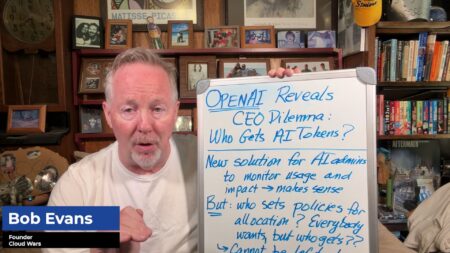
OpenAI’s new token management tool highlights a deeper challenge: CEOs, not AI administrators, must decide how scarce AI resources are allocated across the business.
A cautionary look at AI adoption, highlighting how poorly chosen use cases and immature implementations can create more operational disruption than business value.

KPMG and Microsoft are expanding their partnership to help enterprises deploy agentic AI at scale through standardized governance, deployment, and management frameworks.
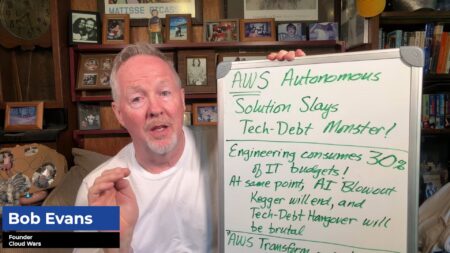
As AI spending surges, AWS argues that companies cannot ignore technical debt, which continues consuming substantial IT resources that could otherwise fuel innovation.
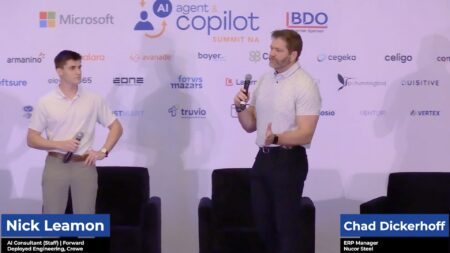
Nick Leamon and Chad Dickerhoff explain how AI sales order agents automate manual workflows, translating customer requests directly into ERP-ready business operations.
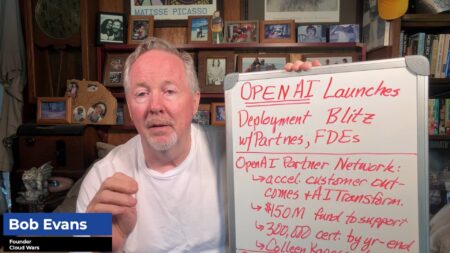
OpenAI is accelerating its enterprise AI ambitions with a new partner network, deployment company, and plans to certify 300,000 consultants by year-end.
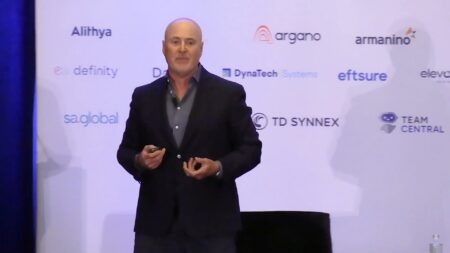
Christopher Lochhead explains why AI is making knowledge and execution less valuable while elevating human judgment, taste, creativity, and category creation.
Workday is leveraging its rich employee, finance, and policy data to power AI agents that can act across enterprise workflows.
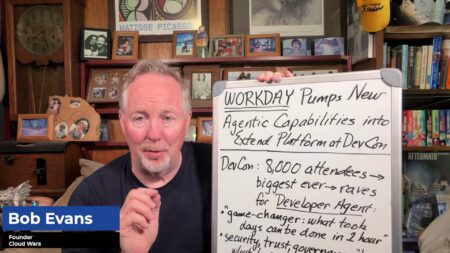
Workday’s Developer Agent is helping engineers focus on higher-value initiatives by automating routine development tasks and embedding governance into workflows.

Puri discusses how AI-powered analysis of vast biological databases helps researchers identify patterns, design new therapeutic molecules, and significantly improve experimental success rates in modern pharmaceutical research.
Thales explains how organizations can use AI-driven competitive intelligence to identify market weaknesses, exploit operational gaps, and respond faster than competitors.
Microsoft and EY’s expanded partnership combines AI-native engineering with business consulting to help organizations scale transformative AI initiatives.
AI and Microsoft expert Paul Swider details a personal health assistant he’s built called Tula that unifies all of a patient’s data and aims to level the healthcare playing field.
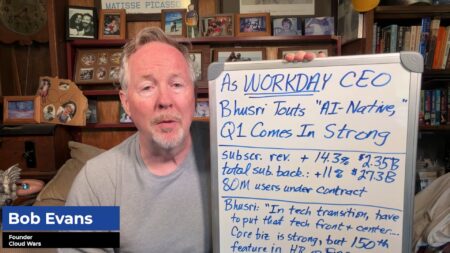
Returning CEO Aneel Bhusri says technology transitions require companies to make emerging technologies their absolute top priority.
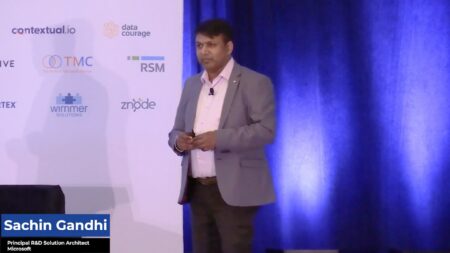
Sachin Gandhi explains how AI agents are transforming supply chains by autonomously planning and executing logistics operations.
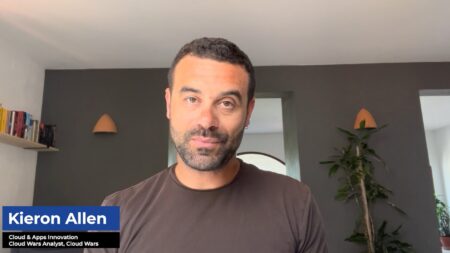
Microsoft says the future of AI success depends less on individual readiness and more on organizational culture, management support, and redesigned workflows.
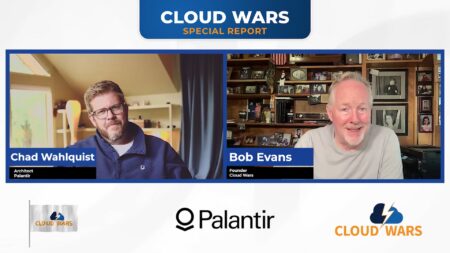
The enterprise AI battleground is shifting from model access to operational context, governance, and differentiated execution infrastructure.

Enterprise AI success depends not just on innovation speed, but on governance, interoperability, migration readiness, and organizational change.
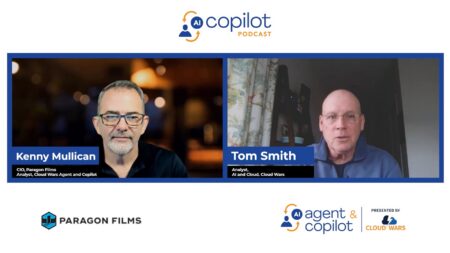
At Paragon Films, MCP enables AI agents to do everything from pinpointing invoice discrepancies to making employee knowledge ‘immortal.’