

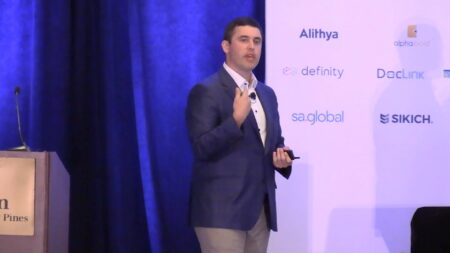
James Oleinik explains how Microsoft Entra and Purview provide identity, observability, and centralized governance for managing enterprise AI agents at scale.
James Oleinik explains how Microsoft Entra and Purview provide identity, observability, and centralized governance for managing enterprise AI agents at scale.
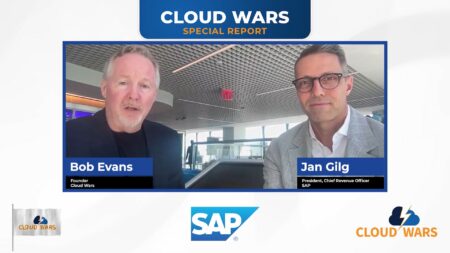
Enterprise AI is entering a new phase where trust, governance, and measurable outcomes matter more than experimentation.
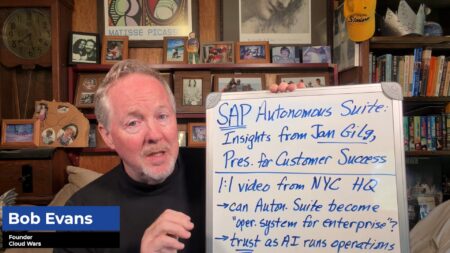
SAP is betting that its new Autonomous Suite will help customers transition from traditional ERP systems to AI-powered enterprises built on trust, automation, and business outcomes.

The combination of 47% cloud revenue growth and 363% RPO growth suggests Oracle’s AI investments are translating into both current revenue gains and unprecedented future demand.

Agent Optimizer functions ensure Foundry Hosted Agents adhere to user-defined criteria for the best instructions, skills, models, and tool descriptions.
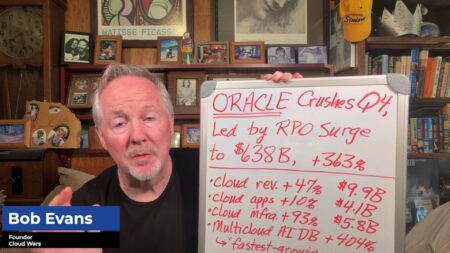
Oracle delivers a blockbuster Q4 with cloud revenue up 47%, OCI soaring 93%, and a staggering $138 billion increase in RPO, signaling unprecedented demand for AI infrastructure and cloud services.

Microsoft is expanding its AI strategy by embedding Copilot directly into Microsoft 365 Business Standard and Premium plans, simplifying licensing and accelerating AI adoption among small and medium-sized businesses beginning July 1.
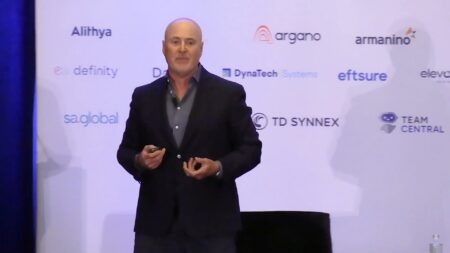
Christopher Lochhead explains why AI is making knowledge and execution less valuable while elevating human judgment, taste, creativity, and category creation.

NVIDIA-powered ‘Dev Box’ delivers horsepower to execute massive AI models from local systems on an ‘unmetered’ basis, while reference designs aim to make AI computing ubiquitous.

Oracle and Alphabet are pioneering new approaches to finance massive AI infrastructure expansion, using debt and equity markets to meet unprecedented customer demand for cloud and AI services.

ServiceNow CEO Bill McDermott says the company is now AI-native and targeting five high-growth markets worth more than $600 billion, backed by strong momentum in AI, security, CRM, employee experience, and data management.
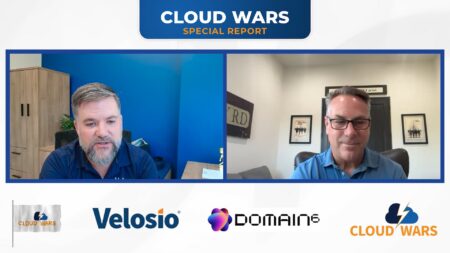
An exploration of why future agility, rather than future-proofing, is becoming the defining characteristic of successful digital businesses.

Microsoft updates Finance Agent to provide a command center-type interface, as well as support for natural language prompts to gain and act on financial insights.
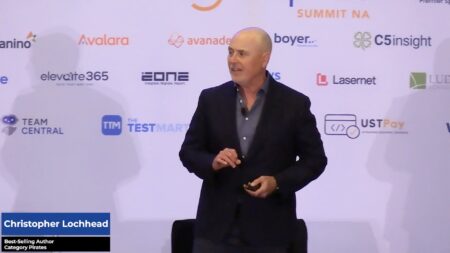
Christopher Lochhead explains how AI is making knowledge and execution increasingly free, shifting competitive advantage to agent-driven systems.
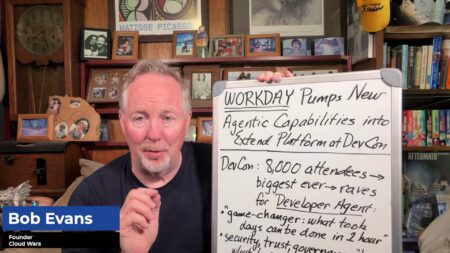
Workday’s Developer Agent is helping engineers focus on higher-value initiatives by automating routine development tasks and embedding governance into workflows.

OpenAI’s enterprise business is emerging as the company’s primary growth engine, already accounting for 40% of revenue and expected to reach 50% by the end of 2026, according to CRO Denise Dresser.

Autopilots increase the level of AI autonomy and automation. Build event also places major focus on agentic AI development — and controls — at the desktop.

Puri discusses how AI-powered analysis of vast biological databases helps researchers identify patterns, design new therapeutic molecules, and significantly improve experimental success rates in modern pharmaceutical research.

Support for Compliance API gives Purview visibility into conversations and events, bringing both data types in Claude under broader enterprise controls.
AI is dramatically reducing implementation effort, forcing enterprise services firms to rethink staffing, pricing, and customer engagement models.