


The demand for AI and robotic process automation (RPA) software continues to rise. Process mining allows businesses to streamline day-to-day operations better
The demand for AI and robotic process automation (RPA) software continues to rise. Process mining allows businesses to streamline day-to-day operations better

In this paper, Pablo Moreno illustrates how to produce a Power BI machine learning model using R Scripts.

Matt Cotter, CEO of PairSoft, shares his insights on the future vision of the company, the impacts of technology, and real cost savings for customers.

Understanding the potential and limitations is critical for companies trying to leverage their AI investments into business value.
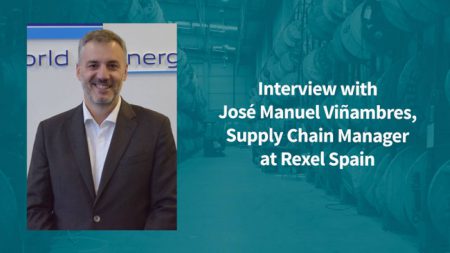
Rexel is investing into automating it’s supply chain with a diamond distribution strategy. The company’s biggest bets are digitalization and specialization.
Paul Swider, Chief Philanthropy Officer, joins me to chat about advancements in technology and how they are driving innovations in the healthcare space.

Check out our blog to learn how to boost customer satisfaction in a transportation workplace.

Understanding the role of a Chief Information Security Office (CISO) is crucial: Key duties include disaster recovery plans and cybersecurity best practices.

In this piece, we define what RPA is, what RPA isn’t, and the business processes it solves!
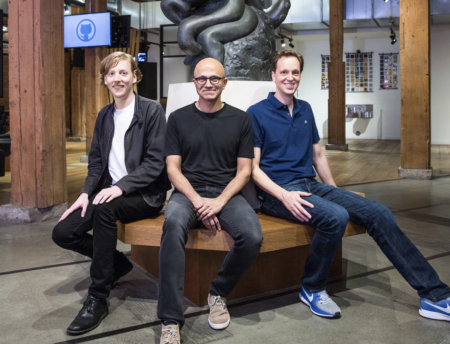
Buying LinkedIn in 2016 has been a massive success, but I wonder if the Microsoft acquisition of GitHub will be even more transformative.

Microsoft recently made Power Automate Desktop free for Windows. How does it fare vs. other RPA providers like Blue Prism and UiPath? Antti Viitala weighs in!

Check out this blog to discuss how to boost auto industry innovation using Dynamics 365.

There is remarkable untapped potential for RPA in the education industry. See what the data and research says and why this is a match made in heaven.

Learn how AI is set to augment the application development process and democratize AI capabilities for more organizations.

Check out our blog to discuss how to innovate with intelligent manufacturing operations using D365.

RPA is fast growing as it’s positioned itself as a non-invasive, cost-effective tool for integrating business operations. So, here’s what you should know.
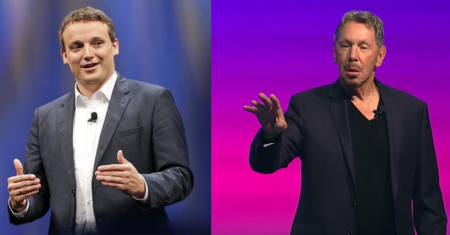
SAP CEO Christian Klein and Oracle chairman Larry Ellison have very different views of which company is winning the cloud ERP battle.

Check out this blog to discuss identifying challenges and considerations during M&A events with D365.

Check out this blog to discuss how M&A outcomes are linked to unlocking value through digital transformation.

This video will give you a 10 min overview of all the Power Platform Announcements that were made at Microsoft Ignite 2021.