


Unification is one of the key concepts defining the progress of AI. It’s not a new idea. Before the widespread introduction of AI tools and technologies, the need for unifying data was becoming increasingly important as businesses began grappling with the complications of disparate systems.
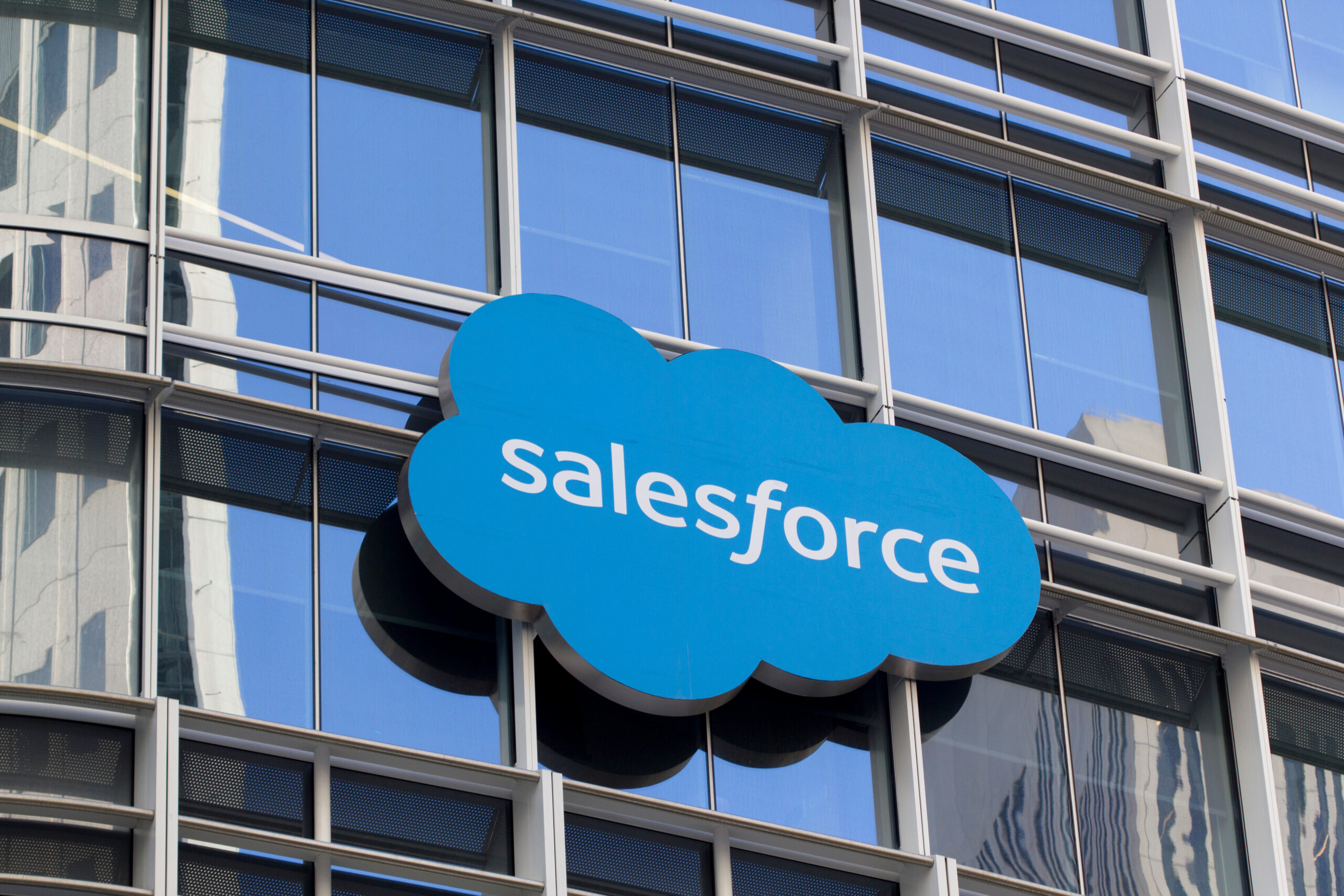
However, in the age of AI and the vast amounts of data being created to fuel it, unification is now more crucial than ever. This concept spans many different areas across the business, from HR to finance to customer service. Today, I’ll focus on the recent news that Salesforce has announced the launch of Agentforce Contact Center, a unified solution that eliminates customer data silos and bridges human interactions with AI-driven interactions.
What is Agentforce Contact Center?
Salesforce describes Agentforce Contact Center, which is now generally available to Agentforce Service customers in the U.S. and Canada, as “the only contact center solution that unifies voice, digital channels, CRM data, and AI agents natively in a single system.” This means that human operators can work alongside AI agents to deliver scalable customer self-service that taps into all available knowledge bases with context-specific customer data.
These knowledge bases are extensive. It’s not just marketing data but also information from previous interactions, text, and voice chats. “Contact centers patched together with a variety of legacy tools cannot bridge the gap between AI and CRM”, said Kishan Chetan, EVP and GM, Agentforce Service at Salesforce. “By treating voice, AI, and CRM as a single service nervous system, we give human and AI teams the shared context they need to turn every interaction into a resolution.
“Following the launch of Agentforce Voice last fall, we’ve now created the first truly agentic contact center.”
So how does this work in practice? Much of the heavy lifting is delegated to agents. In many cases, the agentic infrastructure should be able to handle situations autonomously and only escalate high-priority or more complex cases to human operators. When escalating a case, the agent will pass on all the details of the interaction so far, ensuring that the human customer service agent has all the context they need to resolve the case as quickly as possible.
Humans and agents collaborate within the same CRM, while dedicated agents across multiple channels work synchronously to fulfill customer requests, such as flight alterations. Agentforce Contact Center leverages unstructured voice data to enhance the accuracy of AI agents, delivering more contextualized information used by both human and AI operators. In terms of visibility, the entire contact center team operates through a single view and management dashboard.
Closing Thoughts
In a briefing prior to the launch of Agentforce Contact Center, Gautam Vasudev, SVP of Agentforce Contact Center, outlined the journey Salesforce has made since its first foray into the contact center arena in 2002 with Case Management. This journey has evolved through Service Cloud Voice in 2020, leading up to today with the most comprehensive, game-changing AI-driven contact center platform to date.
Since the widespread adoption of GenAI and AI agent technologies, we have witnessed the evolution of the customer support bot. It has transformed from a clunky, frustrating system that served as a temporary solution before connecting with a human operator into an advanced tool that can autonomously handle customer requests. Agentforce Contact Center represents the next phase of this evolution, featuring fully integrated systems that allow both AI and humans to operate within the same — unified — data environment.
Ask Cloud Wars AI Agent about this analysis