

The global Search Engine Optimization (SEO) business is enormous. Most estimates put it close to $90 billion in value. It has become an essential part of digital marketing, advertising, and retail strategies, and supporting these strategies are a plethora of dedicated SEO tools for tasks like backlink monitoring, traffic analysis, and keyword research.
But what does this market look like when you add AI into the mix? Already, tools like ChatGPT enable users to create SEO-friendly copy with a single prompt. However, that is just the tip of the iceberg when it comes to the raft of transformations that will hit the retail and ad space as AI agents and copilots proliferate.
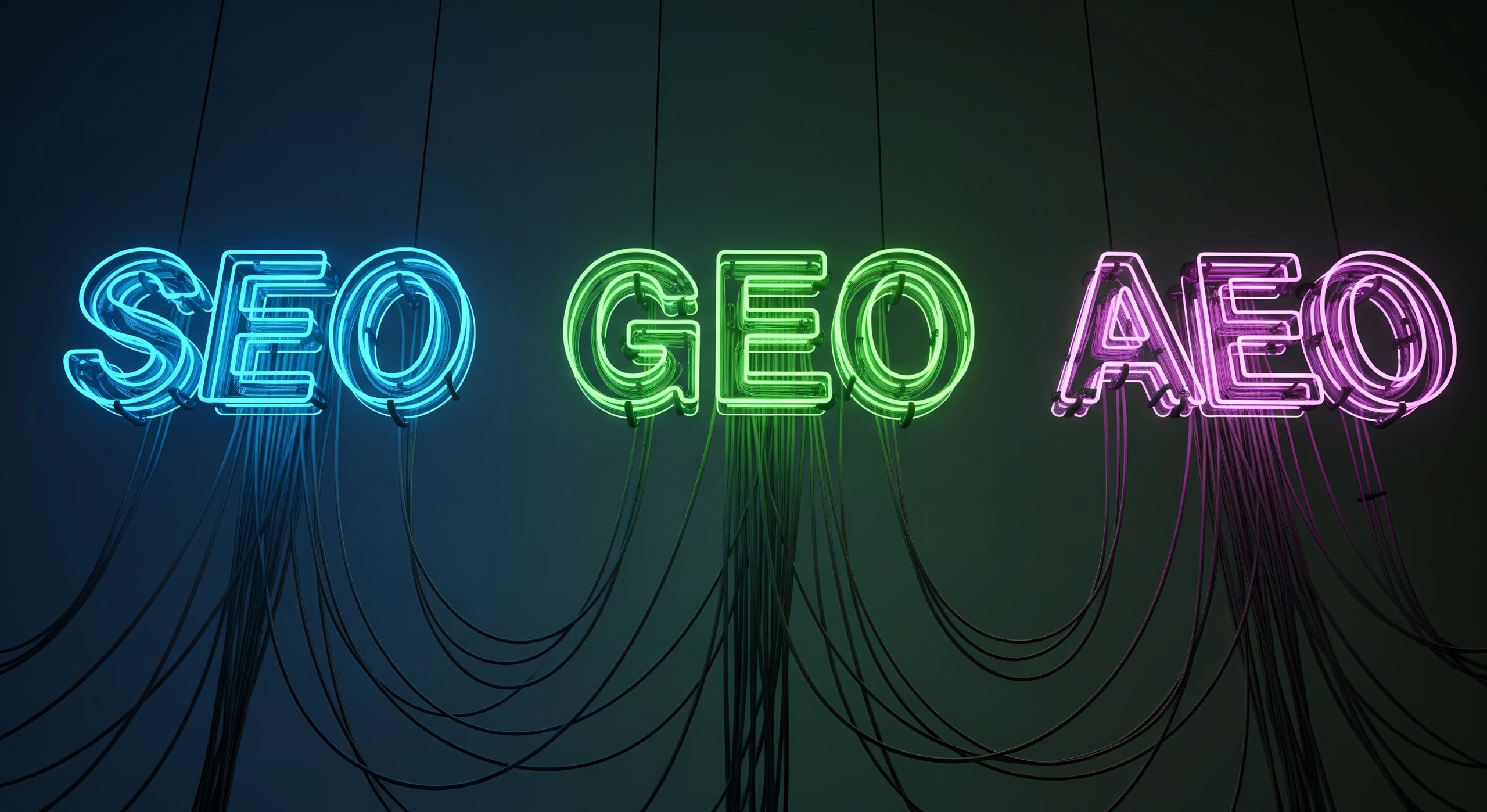
Microsoft has addressed these transformations in a comprehensive, practical guide to Answer Engine Optimization (AEO) and Generative Engine Optimization (GEO), the two new disciplines of search marketing that may soon overtake SEO and redefine digital commerce strategies. In this article, I’ll run through the key findings from that guide.
A New Approach
This seismic shift in the metrics that matter and the strategies that support them will affect every level and role within digital commerce:
“CMOs need to ensure AI correctly understands and elevates brand differentiators. Growth and performance leaders must adapt to AI-led. Digital and e-commerce leaders should plan new metrics for AI-intermediated journeys. CTOs must make the stack AI-readable and AI-accessible. Data and analytics leaders need strategies for the ‘invisible’ early-funnel research happening inside AI conversations,” reads the report.
Essentially, as digital commerce experiences transition into AI-driven experiences through AI-powered browsers, AI assistants, and AI agents, AEO and GEO will be the key concerns. But what do these new-fangled acronyms actually mean?
Answer Engine Optimization (AEO): This strategy optimizes content for AI assistants like ChatGPT and Copilot, as well as AI agents. It aims to make content discoverable by these tools so it can be found easily and presented concisely in short answers. It moves beyond link-focused SEO to the presentation of snippets and summaries compatible with and favored by AI tools.
Generative Engine Optimization (GEO): GEO takes things a step further by aiming to make content discoverable by AI-powered search. Instead of presenting answers, GEO strives to make content the trusted source of AI-generated explanations.
Microsoft explains these nuances with a clear example:
SEO — “Waterproof rain jacket”.
AEO — “Lightweight, packable waterproof rain jacket with stuff pocket, ventilated seams and reflective piping”.
GEO — “Best-rated waterproof jacket by Outdoor magazine, no-hassle returns allowed for 180 days, three-year warranty, 4.8 star rating”.
“SEO is how you won in search. AEO (Answer Engine Optimization) and GEO (Generative Engine Optimization) are how you win the recommendation in AI-powered discovery,” said the report’s author, Jen Myers, Principal Product Manager, Microsoft Shopping and Copilot
“AEO drives clarity — accurate, real-time data AI can interpret. GEO drives credibility — content that positions your brand as authoritative. That’s the new game.”
Is SEO Dead? Not Yet
The report notes that within the industry, there is a belief that there will be a fundamental shift away from SEO to AEO and GEO. However, Microsoft believes that “SEO and catalog investments” are the foundation for developing AEO and GEO strategies. Essentially, the base remains the same.
So what do these strategies look like in practice?
First, organizations need a well-structured, consistent data foundation that makes their product, content, and catalog information fully machine-readable.
Second, because AI assistants interpret user queries as intent rather than keywords, content must be designed, structured, and enriched to answer real-world questions clearly and directly.
Finally, brands must establish trust, authority, and credibility through verified, up-to-date information. AI systems increasingly prioritize sources they can validate — making trust signals as important as visibility.
If you want to drill down deeper and read more examples of how this playbook can be executed, I’d urge you to read the report in full here.
Closing Thoughts
While this report focused on the impact of new battlegrounds on digital commerce, the consequences extend far beyond this arena.
For example, in procurement, AI agents will shortlist vendors and recommend suppliers based on various metrics. AEO and GEO influence the healthcare space by enabling AI tools to prioritize authoritative studies and sources.
In finance, AI will compare products and evaluate risks using trust scores, while also prioritizing machine-readable texts. In tourism, AI agents, which are increasingly used in vacation planning, will prioritize brands and experiences that are easily accessible.
Ultimately, organizations need not only to understand the capabilities of AI tools but also to become fluent in the specialized terminology and data formats these systems rely on.