


Dona Sarkar explains how the shift from generative AI to agentic AI is redefining enterprise systems through self-correcting, multi-agent collaboration.
Dona Sarkar explains how the shift from generative AI to agentic AI is redefining enterprise systems through self-correcting, multi-agent collaboration.
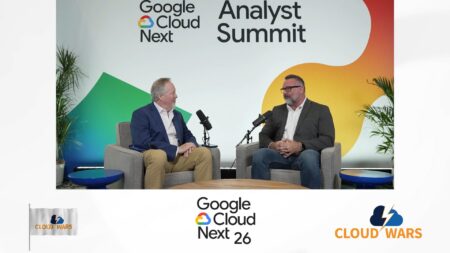
Enterprise AI success depends on balancing fast innovation with strong governance, and integrated platforms make that easier to achieve.
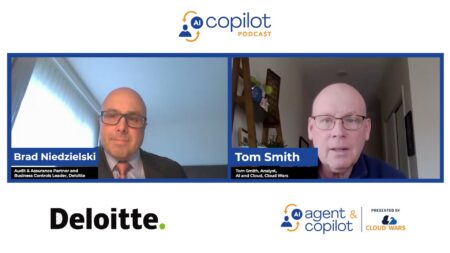
Deloitte partner says most organizations are still in the transition phase of tapping AI in their ERP environments, but the technology can improve data consistency and improve financial compliance.
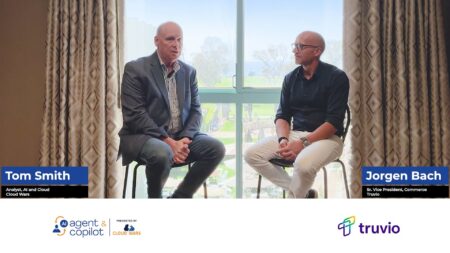
At the AI Agent & Copilot Summit, Truvio’s Jorgen Bach explains how unified platforms and AI agents are helping enterprises close the ERP value gap and operationalize AI adoption.

Stellantis and Microsoft launch a sweeping AI partnership spanning engineering, cybersecurity, and enterprise transformation.
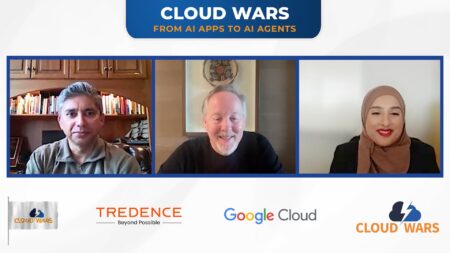
Enterprises must move beyond AI apps and build agentic systems that reason, coordinate, and execute across multiple business workflows.

After years of disconnected AI breakthroughs, Gemini Enterprise delivers a cohesive system that simplifies deployment, enhances usability, and enables enterprises to fully leverage agentic AI across operations, data, and workflows.
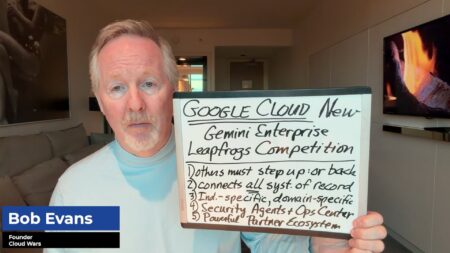
At Google Cloud Next, Gemini Enterprise emerges as a major step forward in enterprise AI, combining integrated data access, industry agents, advanced security, and partner innovation into a simplified, end-to-end platform.

AI agents are advancing rapidly, but compliance concerns persist, and Panopticore aims to solve this with deterministic governance and verifiable audit trails at the network infrastructure level.
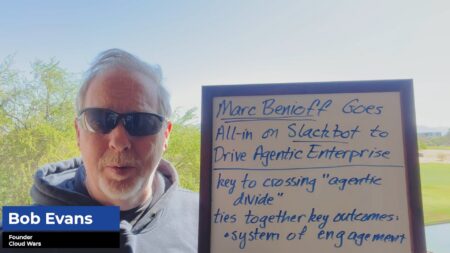
The concept of an “AI agentic divide” highlights how forward-thinking companies are accelerating innovation while others risk falling behind in adopting AI-driven workflows.

With 209% ROI and six-month payback, Business Central is helping organizations streamline finance operations while enabling AI-powered insights through unified data and standardized processes.
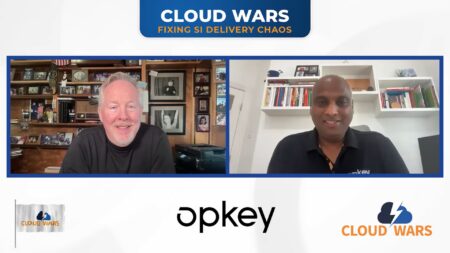
Agentic AI is transforming ERP implementations by automating design, testing, and support, reducing costs and accelerating delivery timelines significantly.
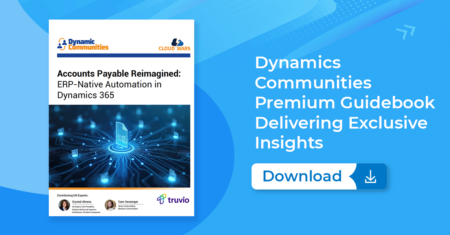
Whether you are reassessing an existing AP solution or planning the next phase of your Dynamics 365 roadmap, this guide is intended to provide context and clarity grounded in real-world experience.
Multi-cloud databases are enabling faster AI adoption by bringing enterprise data closer to cloud-native tools and services.
OpenAI aims to scale revenue from $5B to potentially $280B by 2030, but a reported $800B cut in infrastructure spending raises questions about how compute-driven growth can sustain such aggressive enterprise expansion.
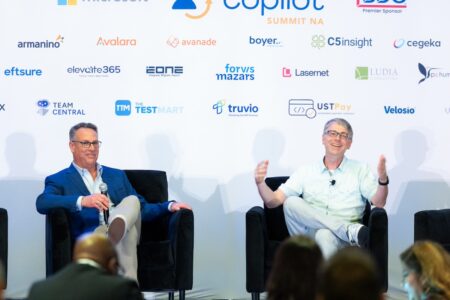
Day two of the AI Agent & Copilot Summit highlights the shift to reasoning-driven copilots, practical agent strategies, and real-world AI adoption.

Microsoft Copilot Studio’s new features focus on improving agent evaluation, enabling organizations to assess performance at scale, compare versions, and refine AI systems faster with better feedback loops and auditing capabilities.

Microsoft is redefining enterprise productivity by positioning Copilot, agents, and unified AI platforms as the operational backbone of next-generation “frontier firms.”

Mason Siefert explores how Microsoft is advancing enterprise security from traditional detection to AI-powered investigation and response.

Financial services, manufacturing, and retail are leading AI agent implementation, demonstrating how operational use cases are driving measurable transformation across high-impact sectors worldwide.