

A new generation of AI-powered enterprise applications combines reasoning, workflow automation, and transactional execution.
A new generation of AI-powered enterprise applications combines reasoning, workflow automation, and transactional execution.
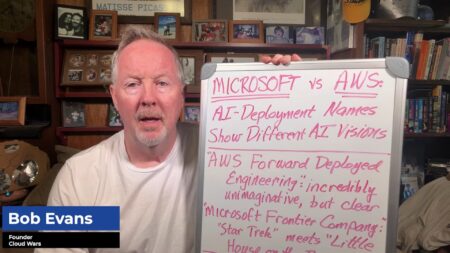
AWS and Microsoft are taking radically different branding approaches to AI deployment, raising questions about which strategy enterprise customers will embrace.

Google Cloud’s $750 million investment in partner training and certification reflects its belief that customers benefit most when trusted partners lead AI transformation initiatives.
As AI transforms cybersecurity, Oracle is helping customers protect data through faster patching, stronger resilience, and database-first security.
Thales Teixeira shows how AI enables companies to evolve from product vendors into strategic business partners.
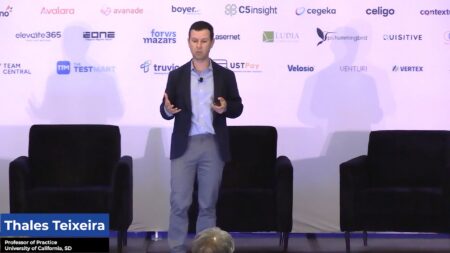
Thales Teixeira shares a practical framework for deploying customer-centric AI agents, highlighting the common implementation mistakes organizations should avoid and the strategies that turn AI into a true competitive advantage.

The next wave of enterprise AI will depend less on models and more on governed, connected data and operational context, according to Salesforce and Databricks.

The new AI Deployment Wars reveal that enterprise customers need more than technology: they need strategy, process modernization, secure integration, and change management.

Customers are reporting high confidence levels in AI agents managing data workflows, but the numbers drop when tasks apply to AI workflows such as coding functions.
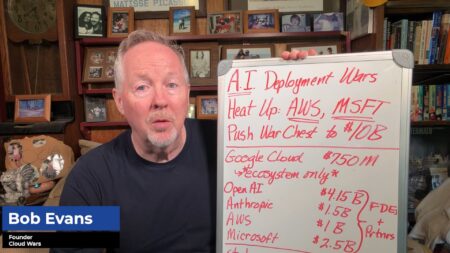
The world’s leading AI companies are investing nearly $10 billion to ensure AI deployments generate measurable business outcomes rather than simply impressive technology.

Microsoft is accelerating its Frontier Firm vision with a new business unit that embeds 6,000 AI and industry experts directly with customers to build, optimize, and scale enterprise AI systems.

Microsoft’s new Frontier Company represents the company’s biggest step yet toward making its frontier firm vision a reality for enterprise customers.
Palantir makes the argument that while some ERP standardization can be beneficial, an over-reliance on it can lead to squandered opportunity with emerging tech.
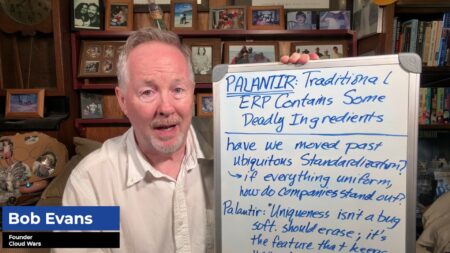
Palantir challenges traditional ERP and standardization, suggesting an alternate approach in the current economy and age of AI.

Microsoft is shifting Copilot Cowork to usage-based pricing while exploring lower-cost AI models, signaling a strategy focused on performance, economics, and customer choice.

Working with DynaTech Systems, Solmax standardized global business processes and created a single source of truth, helping eliminate data silos and improve financial and operational decision-making across multiple regions.

Dona Sarkar says AI has yet to find its defining mainstream use case, and the companies preparing now will be best positioned when that breakthrough moment arrives.

The AI market is entering a new chapter where execution and business outcomes matter more than proving technological capabilities.

Addition to the company’s governance control plan eliminates a wide range of manual steps required to transition an agent from local usage to enterprise availability.
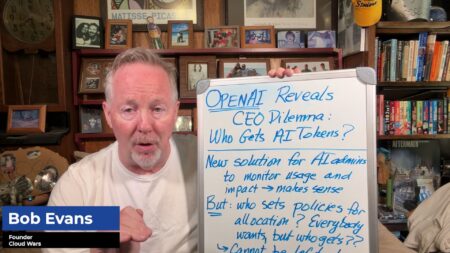
OpenAI’s new token management tool highlights a deeper challenge: CEOs, not AI administrators, must decide how scarce AI resources are allocated across the business.