



Google’s Fairwind Program combines CodeMender with Gemini-powered cybersecurity AI to help 650+ trusted organizations discover vulnerabilities, generate verified patches, and automate security remediation.
Google’s Fairwind Program combines CodeMender with Gemini-powered cybersecurity AI to help 650+ trusted organizations discover vulnerabilities, generate verified patches, and automate security remediation.

New functions can support apps that combine Dynamics 365 apps with business context from WorkIQ for complete experiences, Microsoft partners say.
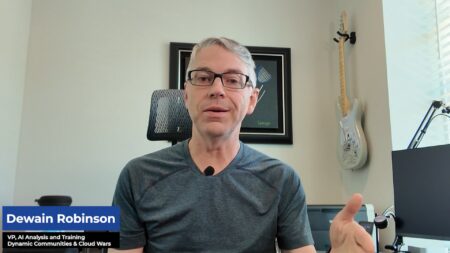
AI infrastructure spending is surging to $2.59 trillion, but rising compute and memory costs are putting pressure on cash flow and forcing hyperscalers to rethink AI investment.
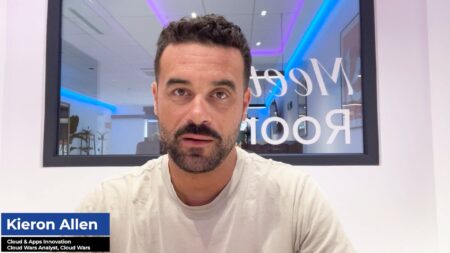
Microsoft is bringing OpenAI’s GPT-6 Astra to Foundry, combining advanced agentic capabilities with enterprise security, compliance, governance, and identity controls.
During Oracle’s Q1 earnings call, CEO Mike Sicilia’s comments provided great clarity to help customers better understand the interplay between apps and agents.
AI infrastructure spending is reaching unprecedented levels, but rising CapEx is beginning to outpace cash flow, raising questions about how hyperscalers will fund continued AI investment.
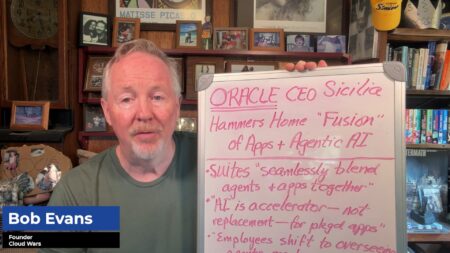
Oracle has been clear in defining where apps end and agents end, with CEO Mike Sicilia driving it home in comments in the Q1 earnings call.

‘Project HydraFusion’ evaluates each request and chooses the least complex workflow required, using additional model calls only when it anticipates a better result.
AI model releases are accelerating faster than buyers can adopt them, creating model fatigue and increasing pressure for deeper integration and value.

OpenAI is reportedly developing automated AI shutdown capabilities as proposed U.S. legislation seeks government power to halt models that threaten human life or the economy.

Oracle has become the second-fastest growing hyperscaler, with Q1 revenue and growth rates making a major jump.
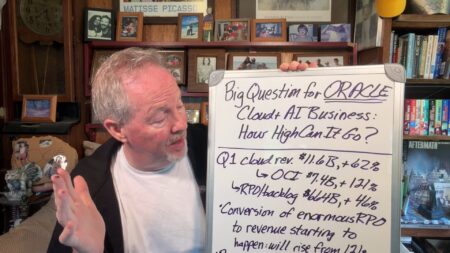
Oracle’s Q1 cloud revenue and OCI growth rate have jumped this quarter. How can its business model innovation propel the company to rise even higher?

As AI becomes more powerful and autonomous, Microsoft is expanding its responsible AI approach with stronger access controls, agent monitoring, telemetry, memory management and safeguards designed to address increasingly complex interactions between models, tools, data and users.
OpenAI’s decision to wind down its Cursor contract highlights how trust between technology providers is becoming increasingly critical as the AI ecosystem grows more interconnected.

Despite questions about Oracle’s ability to fund massive AI infrastructure investments, its booming cloud revenue, extraordinary backlog, and accelerating growth guidance suggest customers are making huge long-term commitments to Oracle’s AI and cloud platforms.

Oracle delivers a blowout Q1 as cloud infrastructure revenue surges 121% and its $664 billion RPO nearly matches Microsoft’s massive backlog.

Google Cloud CEO Thomas Kurian says general-purpose AI alone cannot meet complex industry requirements, prompting the company to surround Gemini Enterprise with specialized skills, trusted data connections, agentic workflows, governance, and partner solutions.
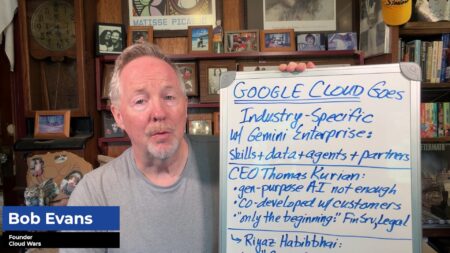
Google Cloud is taking Gemini Enterprise deep into vertical industries, beginning with financial services and legal and combining skills, data, agents, and partners into one AI system.
In this discussion, John Siefert, CEO, Dynamic Communities & Cloud Wars, is joined by Kelly Holwagner, Executive Vice President, HSO. The two…

Instead of searching across laboratory results, medications, and specialist documentation, clinicians can prompt Epic and receive required information inside ChatGPT using new OpenAI connector.