


CEO Christian Klein has been aggressively forging a new SAP via acquisitions in the data field, a shift to consumption pricing, and AI-centered partnerships.
CEO Christian Klein has been aggressively forging a new SAP via acquisitions in the data field, a shift to consumption pricing, and AI-centered partnerships.
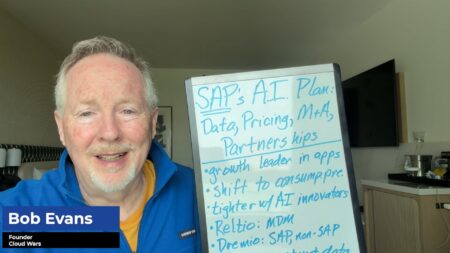
SAP’s AI plan includes strategic partnerships and acquisitions as well as major shifts toward consumption pricing and customer alignment.
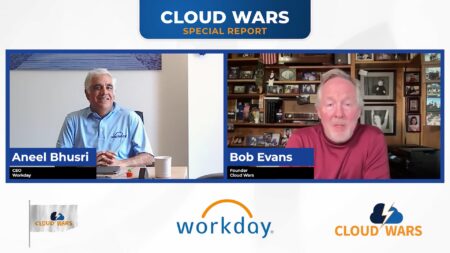
A conversation about enterprise AI readiness, governance challenges, and the next major growth opportunity in intelligent business applications.

SAP’s surging cloud growth and backlog expose the widening gap between AI-doom narratives and the strong reality of enterprise applications in the agentic AI era.

Marc Benioff’s vision of the Agentic Enterprise places Slack at the core, transforming it into an operating system where AI agents collaborate with humans to drive productivity, innovation, and faster decision-making.
SAP plans a gradual move from SaaS subscriptions to AI usage-based pricing, signaling a structural change in enterprise software economics.

SAP makes moves to acquire Reltio, expanding customer access to AI-ready data from both SAP and non-SAP systems.
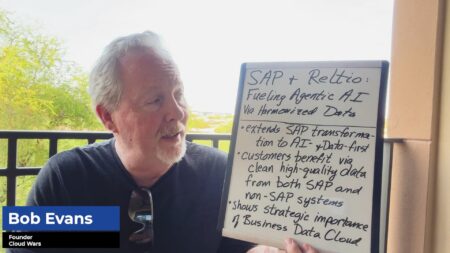
SAP takes another step toward being an AI-first, data-first company by acquiring Reltio, enhancing the Business Data Cloud and providing customers with access to quality data.
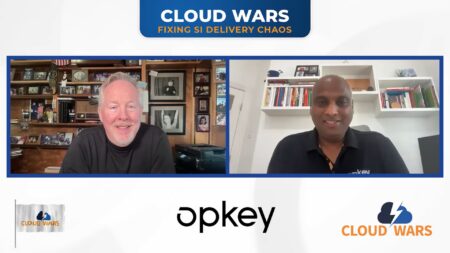
Agentic AI is transforming ERP implementations by automating design, testing, and support, reducing costs and accelerating delivery timelines significantly.

The Cloud Wars Growth Chart shows extraordinary expansion across leading vendors as AI services drive demand. Palantir’s 70% growth leads the pack, while Google Cloud and Oracle also post dramatic gains.
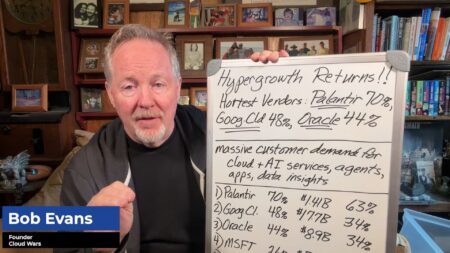
Explosive enterprise demand for AI and cloud services is driving a resurgence of hypergrowth across the Cloud Wars Top 10, led by Palantir, Google Cloud, and Oracle.

Rather than replacing SaaS, AI is becoming its most powerful accelerator. Oracle’s approach embeds agentic AI across Fusion applications, enabling faster deployments, reduced operational complexity, and dramatically improved customer outcomes.

Facing unprecedented pressure from customers navigating AI transformation, SAP, Oracle, and Workday are restructuring their sales organizations. Each company is simplifying customer engagement, flattening leadership structures, and aligning sales with services to deliver faster decisions and stronger outcomes.
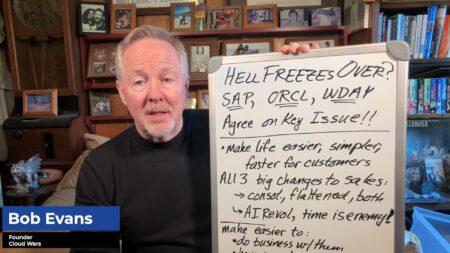
In a rare alignment, SAP, Oracle, and Workday are simplifying sales models to reduce complexity and accelerate digital transformation for customers navigating the AI revolution.
Rejecting “SaaSpocalypse” fears, Aneel Bhusri argues AI will enhance enterprise applications rather than replace them. Workday’s strategy focuses on AI agents embedded within its HR and finance platform to drive new growth and customer value.

The label “legacy” no longer fits Oracle, Microsoft, or SAP, each surpassing 50% cloud revenue. Their rapid cloud growth and AI investments demonstrate that experience, scale, and deep enterprise relationships are powerful assets in today’s AI Era.
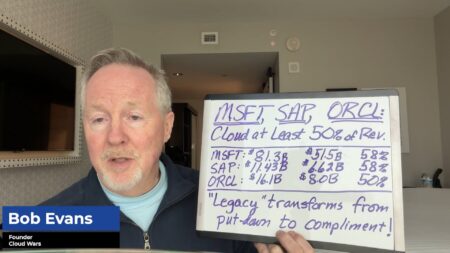
Legacy expertise in on-prem and cloud is emerging as a decisive advantage for Microsoft, SAP, and Oracle in the expanding AI economy.
Workday cofounder Aneel Bhusri has returned as CEO following Carl Eschenbach’s departure, vowing to lead the company through what he calls its “most pivotal moment” as AI reshapes enterprise software and competitive dynamics.
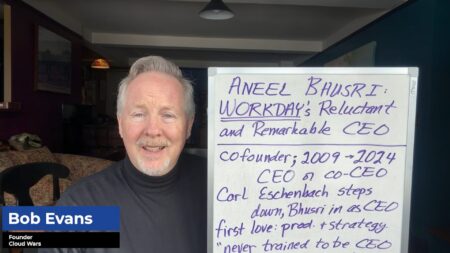
Amid leadership change and fierce competition, Aneel Bhusri’s return underscores Workday’s need for product-centric vision during a defining shift toward AI-powered enterprise software.
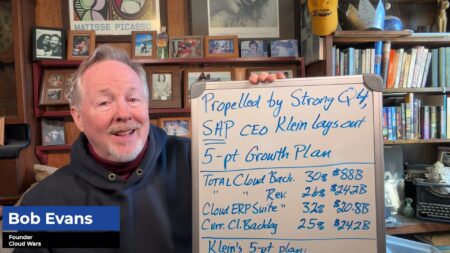
SAP’s Q4 results showed powerful cloud momentum, with total cloud backlog up 30% to $88 billion, cloud revenue up 26%, and CEO Christian Klein outlining a five-point growth plan for 2026 and beyond.