

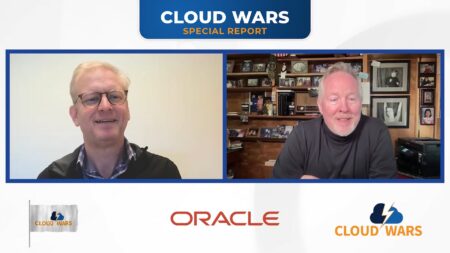
Multi-cloud databases are enabling faster AI adoption by bringing enterprise data closer to cloud-native tools and services.
Multi-cloud databases are enabling faster AI adoption by bringing enterprise data closer to cloud-native tools and services.

Microsoft demonstrates the real-world power of Copilot Studio with a customer support AI agent that reduces latency by 61% and cuts human escalations by 70% through multi-agent orchestration.

Jen Harris and John Siefert examine the shift from centers of excellence to centers of value, as AI agents automate reactive work and push humans toward more creative, proactive roles.

A practical conversation on enterprise AI adoption that focuses on governance, collaboration, and learning from failure rather than chasing hype or replacing human interaction.

Claude’s integration into Microsoft Foundry allows healthcare organizations to utilize domain-specific tools to streamline operations and improve patient outcomes.

Oracle is using its multicloud partnerships with Microsoft, Google and AWS to reignite its core database business. It aims to reach $20 billion in revenue within five years by riding the AI inference wave and offering flexible multicloud deployment.

AWS, once the cloud pioneer, is now lagging behind Microsoft, Google, and Oracle in growth and innovation amid the AI Revolution.
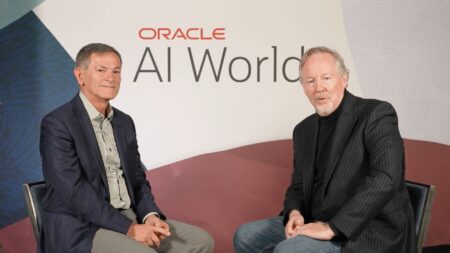
At Oracle’s AI World event in Las Vegas, Executive VP Juan Loaiza discusses why databases are more important than ever, because AI is making data accessible in new ways, enabling business users to interact via natural language rather than traditional SQL.
With customer choice, end‑to‑end capabilities, and strong governance, Gemini Enterprise positions Google Cloud as the most complete AI solution for the enterprise.

Microsoft’s new marketplace supports the scaling of innovation by simplifying access to AI-driven tools and platforms.

Oracle and Google Cloud have partnered to bring Gemini AI to Oracle Cloud Infrastructure (OCI), signaling a major shift in tech rivalries and boosting customer value through mult-icloud innovation.

Satya Nadella identified three drivers of Azure’s Q4 growth: on-prem migrations, native app scaling, and AI expansion.

Satya Nadella broke tradition in Microsoft’s Q4 call, directly comparing Microsoft’s AI and cloud capabilities to AWS, Google, and Oracle, citing unmatched scale, speed, and infrastructure capacity.

Microsoft just delivered the greatest quarterly financial results in the history of business — period.

Microsoft Cloud now accounts for 61% of total revenue, with Q4 cloud revenue hitting $47.6 billion, up 27% year-over-year.

Microsoft is partnering with Thailand’s Office of the Council of State to modernize the country’s legal system using AI and cloud technology, helping align Thai laws with OECD standards.
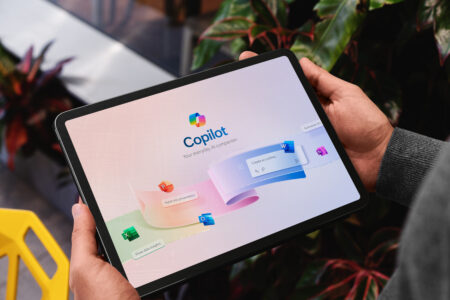
With the latest wave of Copilot features, Microsoft enhances AI functionality for Outlook, mobile users, and Mac installed base.
A wide range of functions in Copilot Control System and related products give admins as well as business leaders strong controls over Copilots, agents, and data.

New functionality in Azure AI Foundry, Copilot Studio, and GitHub brings major advances in building and managing AI agents while selecting the optimal model for developer flexibility.

Microsoft’s latest announcements boost agentic AI adoption with Copilot Tuning, multi-agent orchestration, and new developer tools for accessible, enterprise-ready AI.