

Massive Google Cloud customer use cases and the emergence of patient agency supported by AI are early highlights of HIMSS 2026, according to healthcare tech exec Paul Swider.
AI Copilot Podcast
Massive Google Cloud customer use cases and the emergence of patient agency supported by AI are early highlights of HIMSS 2026, according to healthcare tech exec Paul Swider.
Microsoft data scientists share how AI is transforming cyber defense by enabling intelligent assistants that analyze attacks, suggest detection rules, and help organizations stay ahead of increasingly sophisticated AI-enabled attackers.
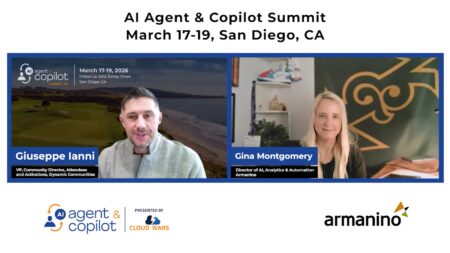
Armanino’s Gina Montgomery explains why organizations must move beyond AI experimentation and focus on designing trusted Copilot and agent experiences.
Andrea Pinillos shares how Microsoft helps enterprise customers run strategic engagement events through internal tools and explains how similar practical solutions can help organizations deploy AI agents that connect to real business data.
In this episode, Diego Araujo discusses the challenges enterprises face when adopting AI copilots in Dynamics 365 Finance & Operations, emphasizing governance, user adoption, and selecting high-impact use cases that can demonstrate value quickly and overcome skepticism.
Framework lets users and developers bring their own models, supports both A2A and MCP for seamless integration of diverse AI tools, Will Hawkins and Rich Hawkins note.
Christopher Lochhead outlines why those who cling to execution and efficiency risk obsolescence, while those who design new categories, solve new problems, and build capital flywheels will define the next era of business.
Product architect Nik Kale explains how bringing AI and human intelligence directly into a product ensures customers receive targeted remediation content and guidance.
Stoneridge Software CEO Eric Newell details his session at the upcoming AI Agent & Copilot Summit, which will cover how to build a secure and productive AI strategy.
Healthcare leader weighs in on how AI models and mulit-cloud underpin customers’ mission-critical systems, and how they should prepare for potential model changes.
Jen Harris and John Siefert examine the shift from centers of excellence to centers of value, as AI agents automate reactive work and push humans toward more creative, proactive roles.
A practical conversation on enterprise AI adoption that focuses on governance, collaboration, and learning from failure rather than chasing hype or replacing human interaction.
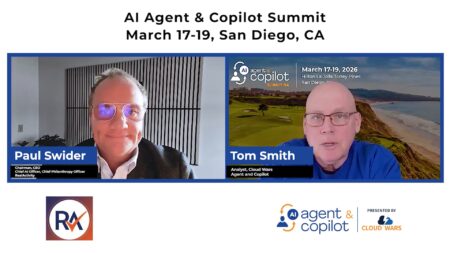
Paul Swider of RealActivity said demos highlighting Microsoft’s work with NVIDIA gave important insight into AI agent and product development opportunities.
Sentinel Data Lake provides important data storage and management improvements; universal connectors facilitate integration of third-party data such as SAP, Jason Revill says.
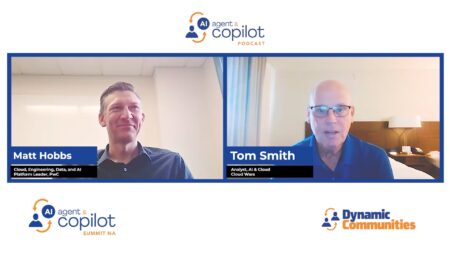
Matt Hobbs shares PwC perspective on the need for agentic AI orchestration, how agents can help address technical debt, and continued investment in cloud infrastructure to support AI rollouts.
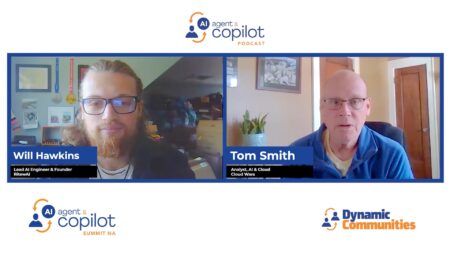
AI and Microsoft business apps expert explains three distinct approaches to orchestration workflows across AI agents, as well as the strengths and weaknesses of each.
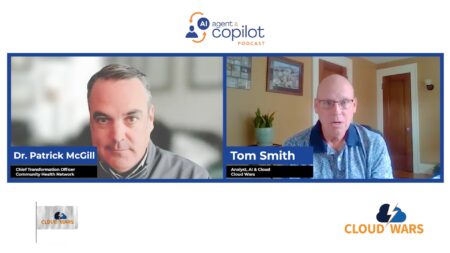
Dr. Patrick McGill of Community Health Network shares AI agent and copilot usage update, approach to change management, and the partners helping to realize $10 million savings goal.
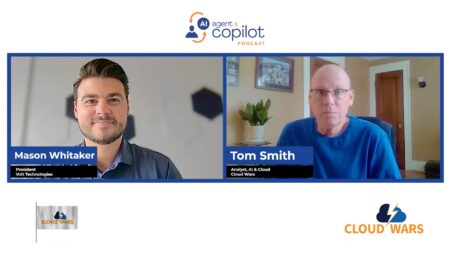
Mason Whitaker, president of Microsoft business apps partner Volt Technologies, shares insights on how Model Context Protocol can streamline work processes, bridging gaps between systems and actions.
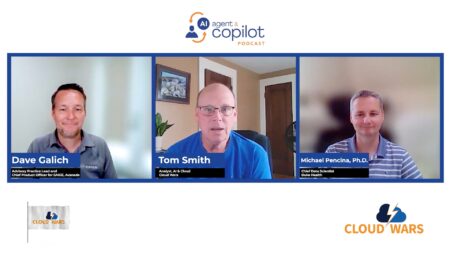
Duke Health chief data scientists details core components of governance, as well as work with Avanade, Microsoft, and other vendors to derive maximum advantage from AI technology.
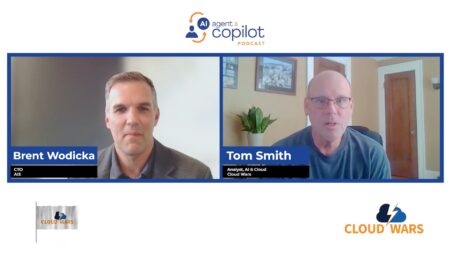
Cycle time, accuracy, cost per successful task completion, and end-user satisfaction are vital metrics that will give visibility into the success of AI projects.