

Agentforce by Salesforce transforms ITSM with agent-first, conversation-driven support integrated directly into Slack, Teams, and other portals.
Agentforce by Salesforce transforms ITSM with agent-first, conversation-driven support integrated directly into Slack, Teams, and other portals.
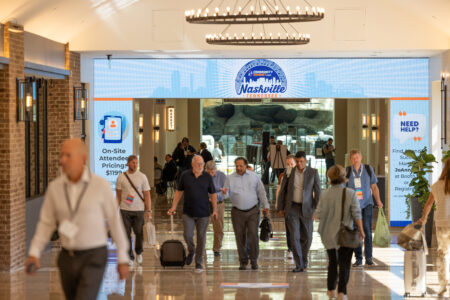
Final day of Community Summit North America 2025 spotlighted AI’s real-world impact — from cybersecurity and Copilot innovation to the evolving partnership between humans and intelligent technology.
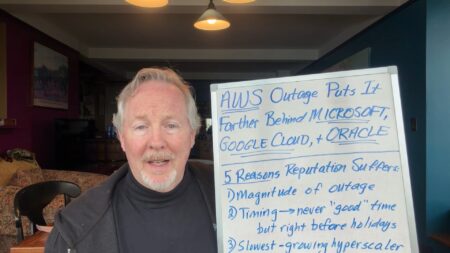
The recent outage that AWS experienced could have a significant impact on the company’s reputation, pushing it further behind competitors.
Microsoft Copilot Studio now offers enhanced AI agent creation, seamless M365 integration, Azure AI Foundry connectivity, and improved analytics for enterprise solutions.
IBM is partnering with Anthropic to integrate its Claude LLM family into IBM’s software products, building out a profitable and extensive portfolio.
Microsoft’s new licensing deal with Harvard Medical School positions Copilot to lead in healthcare AI by offering more accurate, practitioner-level health insights and reducing reliance on OpenAI.

Community Summit’s second day focused on translating Copilot’s promise into measurable outcomes for teams across industries.

Salesforce highlighted product announcements and expanded partnerships at its Dreamforce event.
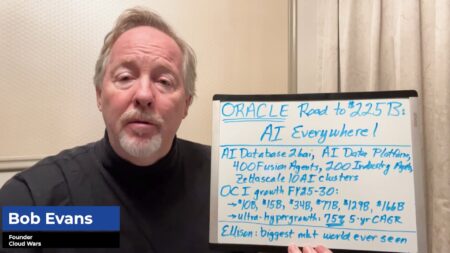
Fusion AI agents, new AI databases, and massive data centers fuel Oracle’s unprecedented growth outlook.
ArcherPoint by Cherry Bekaert’s Greg Kaupp discusses the importnace of AI literacy before applying agents, and how the technologies can drive organizational transformation.

Oracle aims for $225 billion in revenue by FY 2030, led by surging OCI growth, AI-database innovation, and expanding multi-cloud dominance.
Founded by veterans of Dynamics 365 projects, elevaite365 Test Automation tackles test automation with a vision tailored for today’s business needs.
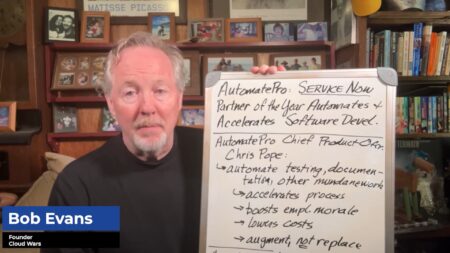
Automate Pro, a recognized ServiceNow partner, addresses the “busywork tax” in software development.
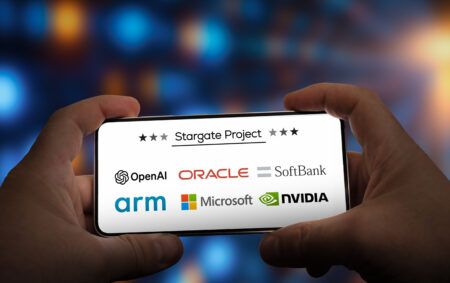
OpenAI, Oracle, and SoftBank expand the Stargate AI project with five new U.S. data centers, boosting U.S. capacity by 7GW and reinforcing America’s lead in the global AI race.
AutomatePro’s Chris Pope joins Kieron Allen to explore how intelligent automation, agentic AI, and deep ServiceNow integration are transforming DevOps, testing, and quality assurance—empowering developers without replacing them.
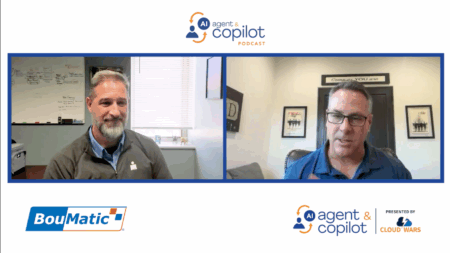
BouMatic CIO Michael Fisher describes how the company is using, deploying, and facing challenges related to AI.
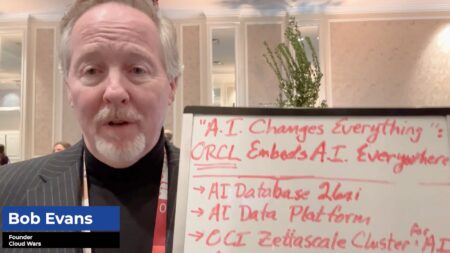
Oracle customers at AI World emphasized the power of speed and first-mover advantage in adopting AI at scale.

Microsoft expands Azure AI Foundry with new OpenAI models — GPT-image-1-mini, GPT-realtime-mini, GPT-audio-mini, and GPT-5 — unlocking advanced multimodal capabilities in text, image, and audio for developers.
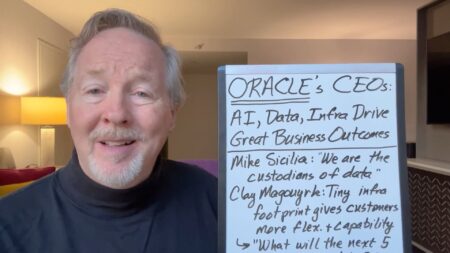
Oracle’s new CEOs outline a bold AI-driven strategy, positioning the company’s data and infrastructure strengths to lead the next wave of enterprise transformation.
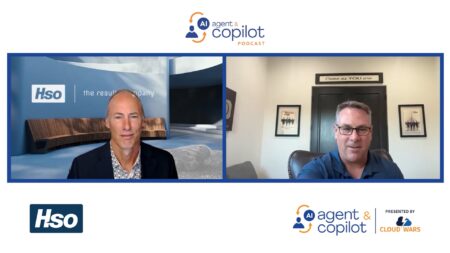
HSO’s Kelly Holwagner shares insights on AI enabling rapid transformations across various industries and highlights Summit NA sessions.