



Cropin, Couchbase, HYCU, and other Cloud Wars Horizon companies gain new visibility at the AWS re:Invent conference.

Cropin, Couchbase, HYCU, and other Cloud Wars Horizon companies gain new visibility at the AWS re:Invent conference.

After a breach, you’ll need help from an incident response team, either in-house or third party. Frank explains how and what to look for.

In Ep. 6 of the Acceleration Economy Minute, Kieron Allen explains why legal representation is needed for those who wish to succeed in the acceleration economy.

CISO Robert Wood details three techniques to analyze security breaches so that organizations can prevent them in the future.

In episode 32, Chris looks at a new Cybersecurity Infrastructure Security Agency post that focuses on three critical steps for advancing vulnerability management across the ecosystem in IT.

By distributing AI computation to local sensors and devices where the data is actually generated, Edge AI powers real-time capabilities for everything from medical devices to self-driving cars to energy grid monitoring, as Toni explains.

Security and data breaches aren’t all bad news; they’re also opportunities to build on lessons learned and correct deficiencies, as Chris explains.

Bill Doerrfeld summarizes the key points from Sonatype’s “The State of the Software Supply Chain” report to help IT technology divisions better understand how to address open-source security today.

Latest updates to HYCU’s Protege platform add support for Azure Gov Cloud, disaster recovery to AWS, cross-cloud recovery.

In Ep. 26 of the Growth Swarm podcast, John, Bob, Scott, and Tony discuss reasons behind today’s economic uncertainty, and why the cloud offers extraordinary alternatives for businesses to create their own futures.

Robert explains why communication is key to getting security, legal, sales, and engineering teams on board with a DevSecOps strategy shift.

In Ep. 3 of the Acceleration Economy Minute, Kieron references the work of fellow AE cybersecurity analysts who discuss how and why organizations must expand on their approach to defense.

Threat hunting is often thought of as something one does to uncover as yet undetected threats in an organization. But there’s also attack-specific threat hunting, which, analyst Chris Hughes explains, is essential when responding to security breaches.

From victim and media notification to legal liabilities and government considerations, the many issues that arise after a security breach are more easily addressed with the help of a lawyer. Frank explains why.

Analyst Bill Doerrfeld discusses the benefits and drawbacks of low-code/no-code with CEO Prashanth Chandrasekar, giving examples of how the approach both widens businesses’ horizons and limits them.
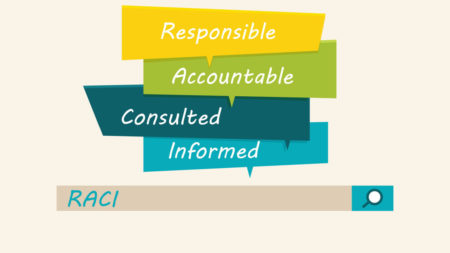
The first article in a series on the top 10 things to do if you’ve been breached discusses RACI (responsible, accountable, consulted, informed), a framework for defining roles and responsibilities in projects or processes.

In this Data Modernization Battleground moment, Chris says that cybersecurity professionals must understand data inventory, how businesses are using data, and who has access to data.

Analyst Chrus Hughes takes a look at EPSS, a new approach to evaluating vulnerability that takes into account not only criticality and scores, but also exploitability.

Wayne recaps Data Modernization Battleground sessions with Teradata and Okera, which discussed their data analytics for multi-cloud and data security solutions.

From hackathons and gamification to champion programs and callouts, there are many ways for security teams to build essential relationships with development teams.